At 7:45 on a Tuesday morning, the treatment room smells like coffee, disinfectant, and the nervous Labrador who just came through the door. That is life as a small animal vet in a sentence: ordinary routines interrupted by problems that matter enormously to one family. I might start with a vaccine appointment, examine a cat with weight loss, and then help stabilize a dog that swallowed a toy before lunch.
The work is not constant drama, and it is not cuddling animals all day. It is careful listening, physical examination, pattern recognition, explaining choices, and sometimes admitting that we need more information. After 16 years in practice, I still begin each appointment the same way: I let the owner talk before I start filling in the chart. The first description often tells me more than a rushed checklist.
What a Typical Day Actually Includes
A normal day at our Madison, Wisconsin, clinic can include wellness visits, dental evaluations, skin infections, vomiting, arthritis, behavior concerns, and end-of-life appointments. A wellness visit is not simply a series of shots. I ask about appetite, water consumption, stool, exercise, sleep, and changes at home. A small detail, such as a cat hiding under the bed or a dog stopping halfway up the stairs, can change the direction of the examination.
The affordable option is usually a good history and a thorough hands-on exam. From there, we discuss targeted testing rather than ordering every possible test automatically. A senior dog with increased thirst might need blood and urine testing because those results answer different questions. A young dog with one episode of diarrhea may need hydration advice and observation instead. Good medicine is not about maximizing the invoice; it is about choosing the next useful piece of information.
There is paperwork, too: reviewing laboratory results, calling owners, writing prescriptions, updating records, and coordinating with veterinary technicians. The technicians place catheters, monitor anesthesia, educate families, and catch details I might miss. Life as a small animal vet is a team job, and the quality of that team affects every patient.
How Veterinarians Make Decisions Under Uncertainty
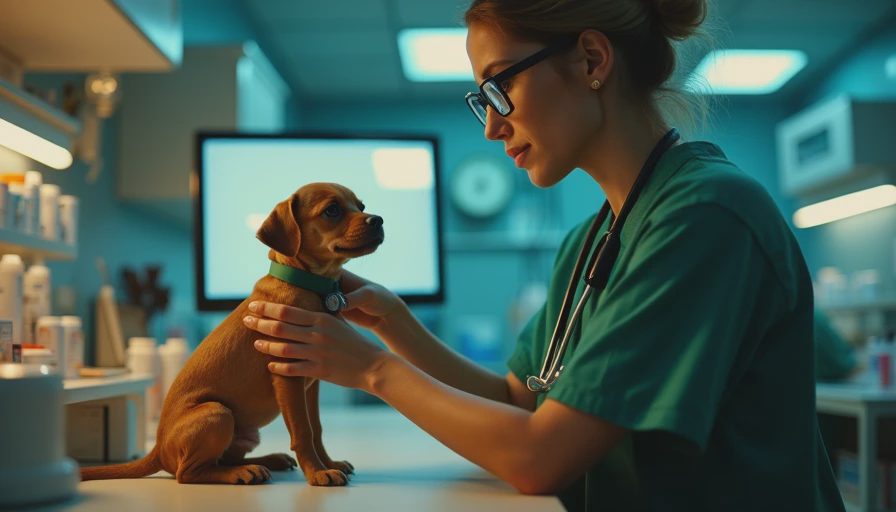
Pets cannot tell us whether pain started yesterday or three weeks ago. Owners often arrive with a symptom, while my job is to identify the possible causes and rank them. Coughing, for example, can come from airway irritation, infection, heart disease, parasites, or something else. The examination helps separate urgent problems from conditions that can be investigated calmly.
Here is what the chart actually says: the physical findings have to lead the plan. If a dog is bright, eating, hydrated, and comfortable, supportive care and close monitoring can be reasonable for a mild stomach upset. If that same dog has repeated vomiting, abdominal pain, pale gums, or weakness, the cost-benefit calculation changes. An abdominal image, bloodwork, or hospital care may become the sensible next step.
I explain options in layers. First comes what we can do today with the information available. Next comes a focused test that could change treatment. Then, if needed, we discuss the gold-standard workup or referral. This approach gives families control without pretending that every medical question has a cheap, certain answer. Life as a small animal vet requires clinical judgment, but it also requires translating that judgment into plain language.
The Parts Owners Do Not See
Much of life as a small animal vet happens outside the examination room. Before a pet enters, the team reviews the medical record and medication list. Afterward, someone cleans the table, labels samples, checks laboratory instructions, calculates medication doses, and makes sure discharge instructions are understandable. A ten-minute appointment can create an hour of follow-up when tests, prescriptions, or specialist communication are involved.
The emotional work is just as real. People bring pets to us when they are frightened, embarrassed, financially stretched, or grieving. An owner who waited two days before calling is not automatically careless. Sometimes they were watching closely, hoping the problem would pass, or trying to understand whether a visit was necessary. My job is to focus on the patient in front of me, not punish someone for being uncertain.
There are difficult conversations about money. A basic examination may cost less than advanced imaging, anesthesia, or overnight monitoring, and families deserve to know that before agreeing to a plan. We talk about what each option can reveal, what treatment could follow, and what happens if we wait. Life as a small animal vet means holding medical urgency and financial reality in the same conversation.

The Emotional Weight of the Work
Some appointments stay with me. I remember the Great Dane with bloat that arrived late at night, the Chihuahua that swallowed an entire sock, and the older cats whose families noticed small changes before anyone else did. Emergency medicine can be intense, but quiet appointments can carry just as much weight. Telling someone that a beloved pet is nearing the end is never routine, even when the medical reasoning is clear.
That does not mean every day is bleak. A dog walking normally after weeks of pain is a good day. So is a cat finally eating after treatment for nausea, or a family sending a video of a puppy sleeping comfortably through the night. The rewards are often small and specific because recovery is usually built from small improvements.
Burnout is a genuine risk in this profession. Long hours, staffing shortages, difficult cases, and repeated grief can wear down even experienced clinicians. Good practices protect time for breaks, support technicians, and encourage respectful communication. A veterinarian who is rested enough to think carefully is better for patients and families than one expected to run at full speed indefinitely.
What Makes a Good Veterinary Visit
You can make an appointment more productive by bringing a medication list, a record of recent symptoms, and a short video if the problem happens at home. Note when the change began, whether it is getting better or worse, and what your pet is eating and drinking. For cats, a carrier with a removable top can make handling less stressful. For dogs, a calm arrival and a familiar treat can help.
Do not wait for perfect information before calling. You do not need to diagnose the problem or prove that it is serious. A phone conversation can help determine whether your pet needs an appointment today, routine scheduling, or home observation. When you call, describe behavior changes as specifically as possible: “she has vomited three times and will not keep water down” is more useful than “she seems sick.”
Life as a small animal vet is easier when the exam room becomes a shared investigation. You know your pet’s normal behavior; the veterinary team knows how to examine, test, and interpret the findings. Neither side has to pretend to know everything at the start.
The Honest Answer About This Career
People sometimes ask whether I would choose this career again. The honest answer is yes, with qualifications. Life as a small animal vet includes debt, administrative work, missed family dinners, emergencies, and conversations that hurt. It also includes watching a patient recover, teaching an owner something useful, and earning trust during a frightening afternoon.
The best veterinarians are not the ones who always have an instant answer. They are the ones who know what to examine next, explain uncertainty without creating panic, and recognize when another professional should help. Let the chart do the talking, but never forget that there is a person holding the leash or carrier.
Bring your observations, your questions, and your budget to the appointment; honest information gives your veterinarian the best chance to make a sound plan.



No letters yet — be the first to write.