The Labrador was sitting on the exam table with a sock-shaped mystery in his stomach, and his owner looked more embarrassed than frightened. I had seen variations of this scene for years. The dog had swallowed something, the family had searched the internet, and everyone arrived expecting either a lecture or a catastrophe. What they needed was a calm plan. That is the point of vet personal stories: not to turn one patient into a universal rule, but to show how a veterinarian thinks when the chart, the examination, and the owner's observations all have to fit together.
I have practiced small-animal medicine for 16 years in Madison, Wisconsin. In that time, the most useful lessons have rarely come from dramatic emergencies alone. They come from ordinary appointments where a careful history changes the diagnosis, a modest test prevents an expensive mistake, or a family realizes that asking questions is part of good pet care.
The symptom is not the diagnosis
One of the most common vet personal stories begins with a symptom that sounds specific but is not. A cat that vomits once a week might have a hairball, dietary sensitivity, parasites, kidney disease, or no significant illness at all. A dog that scratches may have fleas, allergies, a skin infection, or an ear problem that is making the whole body feel uncomfortable.
The first job is not to name the disease. It is to sort the possibilities. I ask when the problem began, how often it occurs, what changed at home, whether appetite and energy are normal, and what the stool or urine looks like. Those details can matter more than a dramatic description such as “he seems off.”
A reasonable first step is often a physical examination and a focused, affordable test. A skin scraping, fecal test, urinalysis, or ear cytology can cost roughly $30 to $150 depending on the clinic and location. Advanced imaging has its place, but it should answer a specific question. Starting with the least expensive useful information is not cutting corners; it is disciplined medicine.
What a normal examination can and cannot tell us
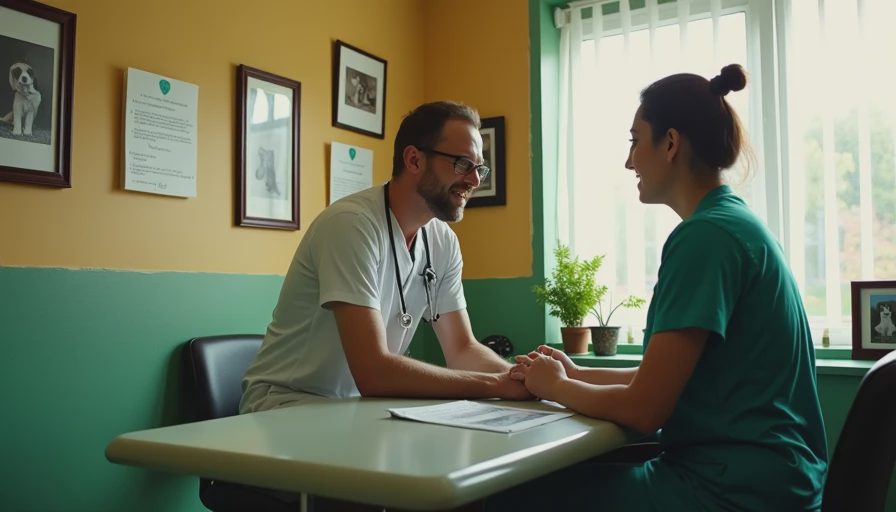
Pet owners sometimes hear “the exam is normal” and think the veterinarian has dismissed the concern. That is not what it means. A normal temperature, heart rate, abdominal palpation, gum color, and neurologic check are valuable findings. They reduce the likelihood of some urgent problems, even though they cannot rule out every early disease.
One of my vet personal stories involves a senior cat whose owner noticed increased thirst. The cat looked bright, weighed normally, and had an unremarkable physical examination. Because the history was consistent, we ran basic blood work and a urinalysis. The results showed an early change that was not visible from across the room. We did not need an overnight hospital stay or a long list of expensive scans. We needed confirmation, a treatment conversation, and a follow-up schedule.
This is why I prefer explaining what a test can detect and what it cannot. Blood work is not a crystal ball. A normal result is reassuring, but it is one piece of evidence. A mild abnormality is not automatically a crisis. Let the chart do the talking, then connect the chart to the animal in front of you.
The owner’s observation is clinical information
Dogs and cats cannot describe nausea, dizziness, thirst, or pain. Their owners often provide the most important timeline. A person who notices that a dog pauses before jumping onto the couch may be identifying discomfort long before the dog limps. Someone who counts litter-box visits may reveal a urinary change that is invisible during a short appointment.
Good vet personal stories usually include an owner who noticed something small and said it out loud, even when it seemed unimportant. I want to know about a new sleeping spot, a different chewing pattern, a missed meal, or a change in how a cat greets the family. Those details are not overreacting. They help separate a sudden event from a gradual trend.
Bring a short video when possible. A clip of coughing, reverse sneezing, an odd gait, or an episode of collapse can be more useful than trying to recreate it in the exam room. Write down medications, supplements, food changes, and dates. A simple phone note can save time and prevent a key detail from disappearing under stress.

Choosing the next step without panic
A diagnosis is not always an all-or-nothing decision. There is usually a cost-benefit ladder. For a pet with mild diarrhea who is otherwise comfortable, the affordable option may be hydration support, a bland feeding plan recommended by the veterinarian, and close monitoring. If the problem persists, a fecal test or blood work becomes more valuable. If the pet is weak, painful, dehydrated, or repeatedly vomiting, the plan changes quickly.
That same reasoning applies to lumps. Some masses can be monitored with measurements and photographs. Others deserve a needle sample, which is often less invasive and less expensive than surgery. A needle sample may not provide a final diagnosis in every case, but it can tell us whether surgery is sensible, urgent, or unnecessary.
The best vet personal stories do not pretend every decision is obvious. Sometimes two reasonable veterinarians recommend different next steps because the evidence is incomplete. Ask what problem a test is meant to solve, what happens if you wait, and what signs would make the plan more urgent. Those questions turn a frightening appointment into a series of manageable decisions.
The bill is part of the medical conversation
Money affects care, and pretending otherwise does not help pets. Tell the veterinary team your budget early. A good clinician can often present a practical first-line plan, a more comprehensive option, and the consequences of delaying each one. That conversation is not rude, and it does not mean you love your animal less.
For example, an uncomplicated appointment with an examination and basic testing might run from about $100 to $300, while emergency hospitalization, advanced imaging, or surgery can reach several thousand dollars. Prices differ by region and case, but the important point is to request an estimate before treatment begins. Ask whether the estimate includes anesthesia, pathology, medications, rechecks, and after-hours monitoring.
One of the recurring vet personal stories in my clinic is a family who expected judgment and instead received choices. They chose the test most likely to change the decision that day. Sometimes that is exactly the right care. The gold-standard option is not automatically the only responsible option.
What these stories should teach you at home
Personal cases are useful when they teach a method rather than invite self-diagnosis. Do not assume your cat has the same disease because an online story sounds familiar. Do not give human pain medication unless a veterinarian specifically directs you; several common products can seriously harm pets. Do not wait on a pet that is struggling to breathe, repeatedly collapsing, showing severe pain, or unable to urinate.
Instead, keep a basic home record. Note appetite, water intake, vomiting, stool, urination, energy, breathing, and mobility. Weigh small pets regularly if you can do so safely. Keep medication bottles and vaccine records together. Learn your clinic’s regular and emergency contact instructions before you need them.
The most valuable vet personal stories leave room for uncertainty while still offering an action. They remind us that good care is not about recognizing every disease from a headline. It is about noticing change, collecting useful information, choosing the next sensible step, and reassessing when the evidence changes.
If your pet’s behavior or body has changed, write down the timeline today and bring that record to the next veterinary appointment.



No letters yet — be the first to write.