The first warm Saturday of the season usually finds me carrying two things: a baseball lineup card and a veterinary first-aid kit. As a little league coach vet, I see how easily a dog, cat, or child-centered household can overlook basic pet care when practices, doubleheaders, and errands fill the calendar. Most game-day problems are preventable, and the answer is usually simple rather than expensive.
I am not suggesting that every pet needs a special sports diet or a complicated monitoring plan. A healthy adult dog often needs shade, water, a leash, and a quiet place to rest. Cats generally do better at home, away from loud fields and unfamiliar dogs. The useful question is not, “What is the most advanced thing I can buy?” It is, “What does this animal actually need today?”
Before You Bring a Dog to the Ball Field
Start with temperament. A social, confident dog that can settle around noise may enjoy sitting near a game. A nervous dog, puppy, senior, or animal that guards food may be much happier at home. Baseball fields bring whistles, shouting, running children, dropped snacks, bats, and unfamiliar dogs into one small area. That is a lot of stimulation even for a friendly pet.
Use a secure leash attached to a well-fitted harness or collar. Do not tie a dog to a fence or bleacher while you coach; a frightened dog can slip equipment, wrap the leash, or pull into the path of a runner. Bring a collapsible water bowl, fresh water, waste bags, and a towel. Pack treats only if you can supervise them. Chicken wings, corn cobs, grapes, onions, and sugar-free gum are not harmless sideline snacks for dogs.
Check the ground before settling in. Asphalt and artificial turf can become hot enough to injure paw pads, while gravel can lodge between toes. Put down a mat in the shade and offer breaks away from the crowd. The little league coach vet approach is practical: prevent the predictable problems first.
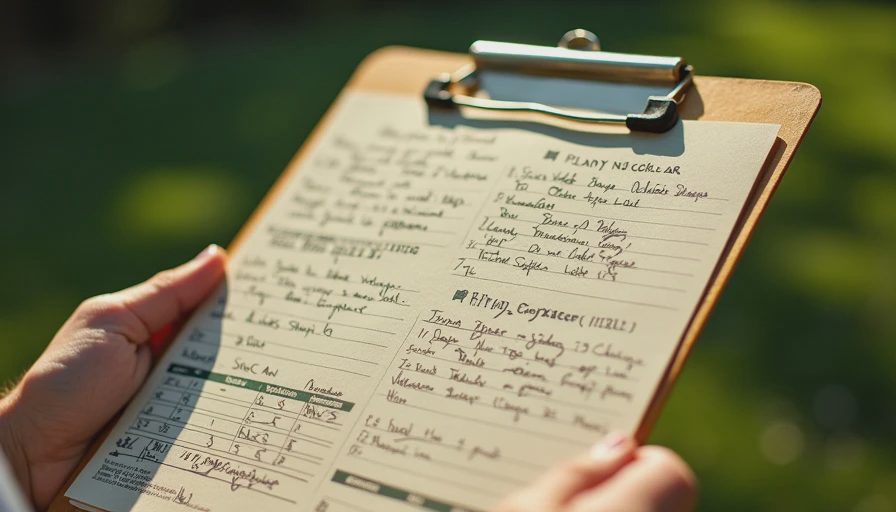
Heat, Hydration, and Exercise
Panting is normal after activity, but it should improve when the dog stops and rests. Heavy, continuous panting, weakness, vomiting, stumbling, confusion, or collapse is different. Move the dog into shade, offer small amounts of cool water, and contact a veterinarian promptly. If the animal cannot stand, has abnormal breathing, or seems mentally dull, treat it as an emergency rather than waiting for the final inning.
Avoid pouring ice-cold water over a distressed dog or forcing water into its mouth. Cooling should be gradual and controlled. Wetting the paws, belly, and groin with cool tap water while arranging veterinary care is a reasonable first step. Never leave a pet in a parked car, even with the windows partly open. Temperatures rise quickly, and a cloudy morning does not make a vehicle safe.
Fitness matters before opening day. A dog that spends winter sleeping on the couch should not run beside children for two hours on the first warm weekend. Build walks gradually over several weeks. Short leash walks, gentle play, and rest days are more useful than one exhausting outing. This is one area where a little league coach vet sees the same mistake repeatedly: enthusiasm increases faster than conditioning.
What to Do When a Pet Is Hurt
Small scrapes can usually be rinsed with clean water and covered loosely with a nonstick pad if the dog will leave it alone. Do not use hydrogen peroxide, rubbing alcohol, or human pain medication unless a veterinarian specifically directs you. These products can damage tissue or cause poisoning. Acetaminophen, ibuprofen, and naproxen are especially dangerous for pets.
Call your veterinary clinic for a cut that is deep, gaping, contaminated, or still bleeding after several minutes of direct pressure. A limp that disappears after rest may still deserve attention if it returns, worsens, or comes with swelling. An obvious fracture, eye injury, breathing problem, head trauma, repeated vomiting, or collapse requires urgent care.
If a dog is bitten, have the wound examined even when it looks tiny. Punctures can seal over bacteria beneath the skin. Your veterinarian may recommend cleaning, antibiotics, pain control, or monitoring for an abscess. Take a photo of the wound before cleaning if it helps document what happened, but do not delay care to create a perfect record.

A Simple Pet Game-Day Kit
A compact kit costs less than many unnecessary pet gadgets. Include bottled or tap water, a bowl, leash backup, waste bags, gauze, nonstick pads, a towel, tweezers for obvious surface debris, and your clinic’s phone number. Add a current medication list and vaccination information if you are traveling or attending a tournament away from home.
For dogs with known medical problems, pack prescribed medication exactly as directed. Do not change a seizure, heart, allergy, or pain prescription because the schedule is inconvenient. If your dog takes insulin or another medication that depends on meals, ask the veterinary team for a game-day plan before the season begins.
Microchip registration and identification tags are also worth checking. A gate left open during a busy tournament is enough for a dog to disappear. Confirm that your phone number is current and take a recent photo of your pet. Prevention here is inexpensive and far more useful than trying to identify an animal from memory after a stressful escape.
How a Vet Decides Whether an Exam Is Needed
In the exam room, I start with the timeline. What was the pet doing, when did the signs begin, and are they improving with rest? I check temperature, heart rate, breathing, hydration, gum color, pain, walking ability, and the affected area. Those findings often separate a minor scrape from a problem needing imaging, sutures, or treatment.
The affordable option is frequently observation at home with clear instructions and a follow-up call. The gold-standard option could include radiographs, blood work, or a procedure, but testing should answer a specific question. A little league coach vet should not recommend an expensive diagnostic package simply because the day was chaotic. Let the chart do the talking.
Cost depends on location and treatment. A basic office visit may run roughly $60 to $150, while emergency evaluation, radiographs, sedation, or surgery can raise the bill substantially. Pet insurance can help with eligible unexpected care, but policies differ in deductibles, waiting periods, and exclusions. A modest emergency fund is useful whether or not you carry coverage.
The Calm Plan for Families
Before practice, decide whether the pet is genuinely suited to the field. If yes, choose shade, bring water, and assign one adult to watch the animal rather than assuming everyone is paying attention. If no, leave the pet home with a safe room, fresh water, and normal feeding and medication routines.
After the game, check paws, ears, coat, and energy level. Look for burrs, cuts, limping, diarrhea, or unusual fatigue. Write down what you observed while the details are fresh. When you call the clinic, that information helps the veterinarian triage accurately.
The little league coach vet lesson is not that baseball and pets cannot mix. It is that good preparation keeps a fun family day from becoming an avoidable medical visit. Give your pet shade, water, supervision, and an honest assessment of its comfort before the first pitch.

No letters yet — be the first to write.