A Labrador lies on the exam-room floor, refuses a treat, and looks at the door every time he tries to stand. His owner says he is “just getting old.” That is a common opening to a conversation about hip dysplasia in dogs, but age alone does not explain the whole picture. Hip pain can come from several conditions, and the right plan starts with finding out which one is actually present.
Hip dysplasia means the hip joint did not develop with a normal, snug fit. The ball at the top of the thigh bone and the socket in the pelvis move against each other imperfectly. Some dogs have loose hips from a young age but show few signs until arthritis develops. Others become stiff, sore, or reluctant to exercise much earlier. Genetics, growth rate, body weight, muscle condition, and daily activity all influence how a dog feels.
The signs owners usually notice first
The earliest clues are often subtle. A dog may take longer to rise after sleeping, avoid jumping into the car, or sit with one hind leg kicked to the side. You might see a “bunny-hop” run, a shortened stride, swaying hips, or hesitation on stairs. Some dogs are cheerful at the park and painful only later that evening. Others simply stop playing fetch as far or as long as they used to.
Those signs do not prove hip dysplasia in dogs. A torn knee ligament, back disease, muscle strain, arthritis in another joint, or even a painful paw can look similar. That is why a video from home is useful. Record your dog walking from the side and from behind, rising from the floor, climbing a few steps, and turning. Dogs often move more normally in a clinic because excitement temporarily masks discomfort.
During the examination, I watch the gait before touching the patient. Then I compare both hind legs, feel for muscle loss, gently extend and rotate each hip, and check the knees, spine, paws, and neurologic responses. Some dogs tolerate this easily; others need medication for a relaxed, accurate examination. Pain is information, not a behavior problem.
How a veterinarian confirms the problem
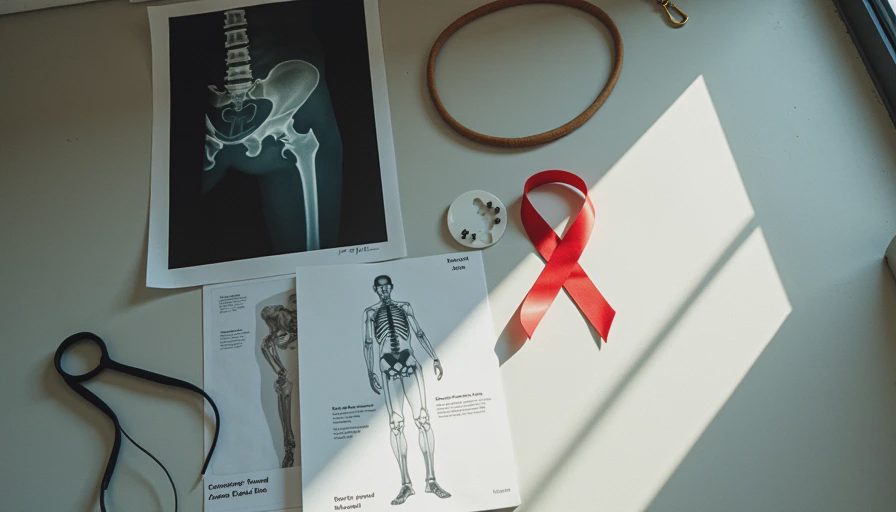
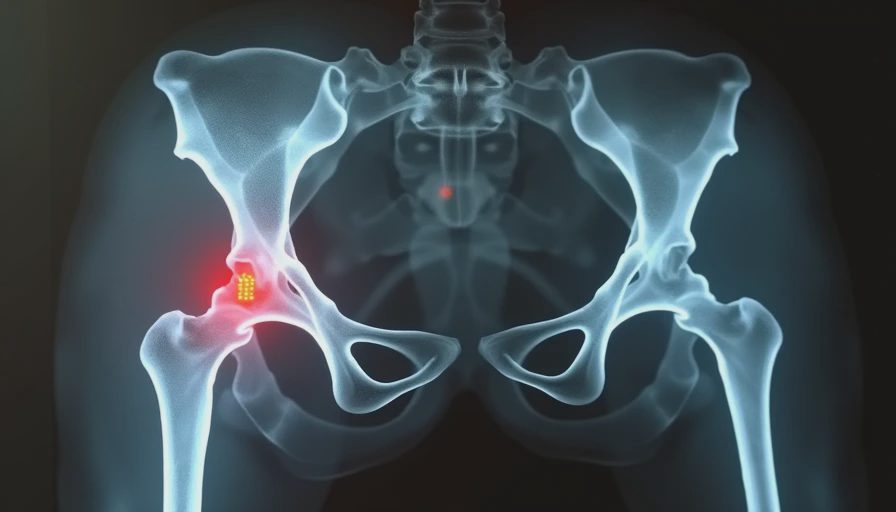
X-rays help show the shape of the hip joints and the amount of arthritis. A dog generally needs sedation or anesthesia because positioning the pelvis precisely can be uncomfortable and an awake patient may tense the muscles. The images can reveal shallow sockets, partial displacement, remodeling, or bony changes associated with osteoarthritis. An X-ray is important, but it is not the only part of the diagnosis. I match the image to the dog’s pain, mobility, age, and examination findings.
For young dogs being evaluated for breeding or future risk, the Orthopedic Foundation for Animals and PennHIP offer different forms of hip assessment. PennHIP measures laxity using a specialized technique, while an OFA evaluation focuses on radiographic appearance. These tests can be useful for planning, but a screening result does not predict every detail of a dog’s future comfort. A dog with an imperfect image may function well, while another with modest changes may hurt significantly.
Here’s what the chart actually says: treatment should be based on function and pain, not on a frightening X-ray phrase alone. I have seen dogs with obvious arthritic changes who still enjoy short walks, and dogs with less dramatic images who need more support. The goal is not to make the radiograph beautiful. The goal is to help the dog move comfortably and safely.
The affordable treatment ladder
For many dogs, the first plan is weight control, controlled exercise, and appropriate pain relief. Extra pounds place additional load on every step, so even a small reduction can make movement easier. Your veterinarian can set a target weight and recheck progress rather than relying on appearance alone. Avoid sudden weekend hikes followed by several quiet days. Consistent, low-impact activity is usually kinder to an unstable or arthritic hip.
Leash walks on level ground, swimming, and underwater treadmill therapy can build muscle without repeated jumping. At home, place nonslip runners over slick floors, use a ramp for the car, and provide a thick bed away from drafts. Keep nails trimmed so the dog can grip the floor. These changes often cost less than a month of advanced treatment and can noticeably improve confidence.
Medications can include a veterinary nonsteroidal anti-inflammatory drug, commonly called an NSAID. These drugs reduce inflammation and pain, but they are not interchangeable with human medicines such as ibuprofen or naproxen, which can be dangerous for dogs. Your veterinarian may recommend baseline and follow-up bloodwork, especially for long-term use. Joint supplements containing ingredients such as glucosamine, chondroitin, or omega-3 fatty acids are popular, but product quality varies and evidence is not equally strong for every supplement.
When surgery enters the conversation
Surgery is not automatically the best answer for hip dysplasia in dogs. The decision depends on age, severity, pain, arthritis, activity goals, and finances. In a young dog with significant looseness but little arthritis, an early procedure such as juvenile pubic symphysiodesis may be considered during a narrow growth window. Other pelvic surgeries can be appropriate for selected young patients with favorable joint structure.
For mature dogs with advanced arthritis, total hip replacement can restore excellent function, but it requires an orthopedic referral, careful aftercare, and a substantial budget that often reaches several thousand dollars per hip. Femoral head and neck ostectomy removes the painful ball portion of the joint and can be a more affordable surgical option, particularly for smaller dogs. Recovery depends heavily on rehabilitation and muscle building. A specialist should explain expected comfort, restrictions, complications, and total cost before you commit.
What daily life can look like after diagnosis
A diagnosis does not mean your dog must live in a crate or stop enjoying life. It usually means changing the type and timing of activity. Replace repeated ball throwing with gentle sniff walks. Break a 30-minute walk into two shorter outings if stiffness appears afterward. Warm up with a few minutes of slow walking, and watch for delayed soreness later that day or the next morning.
Track practical details in a notebook: how easily your dog rises, walk duration, stair use, appetite, sleep, and any medication side effects. This record makes follow-up visits more productive than a general statement that your dog is “about the same.” If appetite drops, vomiting occurs, diarrhea persists, or your dog becomes unusually tired while taking an NSAID, stop and contact the veterinary clinic promptly for instructions.
The outlook varies, but many dogs with hip dysplasia in dogs remain active companions for years with a sensible plan. Some need occasional medication; others need daily management or referral surgery. Recheck examinations matter because pain can increase gradually, and owners often adapt to small changes without realizing it.
When I explain hip dysplasia in dogs, I tell families to focus on the next useful decision: measure body condition, control impact, document movement, and schedule an examination if pain or stiffness is recurring. Let the chart do the talking, then build the treatment plan around the dog in front of you.


No letters yet — be the first to write.