The first time you see blood in your dog's stool, the whole room seems to stop. I have watched owners arrive at the clinic carrying a plastic bag, a phone photo, or both. Searching for “bleeding poop dog” answers can make the situation sound either harmless or immediately catastrophic. The truth is more useful: the color and amount of blood, your dog's behavior, and the rest of the history tell us how quickly to act.
A small streak of bright red blood in an otherwise formed stool is different from black, sticky stool or bloody diarrhea. This article can help you sort those patterns, but it cannot replace an examination. If your dog is weak, vomiting repeatedly, painful, pale-gummed, collapsing, or passing a large amount of blood, call an emergency veterinary hospital now.
Bright red blood versus black stool
Bright red blood usually comes from the lower digestive tract, including the colon, rectum, or anus. Straining, frequent loose stools, dietary indiscretion, stress colitis, parasites, and irritation around the anal glands can all produce a red streak. In a young dog who is still energetic and eating, a tiny amount may not require an emergency visit, but it does deserve a phone call to your regular veterinarian.
Black, tarry, sticky stool is more concerning because it can indicate digested blood from the stomach or small intestine. Ulcers, certain medications, swallowed foreign material, or other illnesses can cause this pattern. Iron supplements and some dark foods can change stool color, so your veterinarian will ask about everything your dog has eaten. When owners search “bleeding poop dog,” they often focus on the red color and miss the importance of texture. Tarry stool is not the same as a red streak on the outside.
The amount matters, too. A pinhead-sized spot after straining is not equivalent to a puddle of blood, jelly-like clots, or diarrhea that is mostly blood. Take a clear photo and save a fresh sample in a sealed container if you can do so safely.

Common causes I consider in the exam room
The most common explanation is inflammation in the colon. A dog may have raided the trash, received a rich treat, chewed grass, or experienced a stressful change such as boarding. This can lead to frequent urgency, mucus, and bright red blood. Many mild cases improve with veterinary-guided diet changes and observation.
Parasites are another practical possibility, even in dogs that look healthy. Whipworms, hookworms, Giardia, and other intestinal organisms do not always cause dramatic symptoms. A fecal test is often the least expensive useful starting point, commonly costing roughly $40 to $100 depending on the clinic and tests included. Puppies, dogs from shelters, and pets with inconsistent preventive care deserve particular attention here.
Other causes include anal sac disease, bacterial infection, food intolerance, inflammatory bowel disease, a swallowed object, clotting problems, and tumors. These are not equally likely, and listing them does not mean your dog has the worst one. In my exam room, I start with the pattern in front of me rather than jumping to a diagnosis based on a search result about bleeding poop dog symptoms.
When blood in stool is an emergency
Go to an emergency clinic promptly if your dog is pale, very tired, disoriented, breathing unusually fast, or unable to stand normally. Repeated vomiting, a swollen or painful abdomen, black tarry stool, uncontrolled diarrhea, or large-volume bleeding also changes the urgency. Puppies, senior dogs, and dogs with known kidney, liver, or clotting disease have less room for watchful waiting.
A dog that is bright, drinking, interested in food, and passing one normally formed stool with a tiny red streak may be appropriate for a same-day or next-day call rather than a midnight drive. That distinction is not permission to ignore the problem. It is a way to match the response to the evidence. If the bleeding continues beyond a short period, increases, or returns repeatedly, arrange an examination.
Do not give ibuprofen, naproxen, aspirin, Pepto-Bismol, or leftover antibiotics unless a veterinarian specifically directs you. Some human medications can worsen bleeding, irritate the stomach, or hide important symptoms.
What your veterinarian will check
The appointment usually begins with questions: when the problem started, how often your dog is defecating, whether the stool is formed, what was eaten recently, and whether vomiting or appetite changes are present. Bring a photo and a fresh stool sample. Those two things can save time and sometimes reduce repeat testing.
The physical examination includes hydration, gum color, abdominal comfort, temperature, and an inspection around the anus. Your veterinarian may recommend a fecal test first, especially for a stable dog with diarrhea. Bloodwork becomes more valuable when the dog is weak, dehydrated, unusually pale, older, or showing signs beyond the stool. X-rays or ultrasound are considered when a foreign object, obstruction, severe pain, or another structural problem is possible.
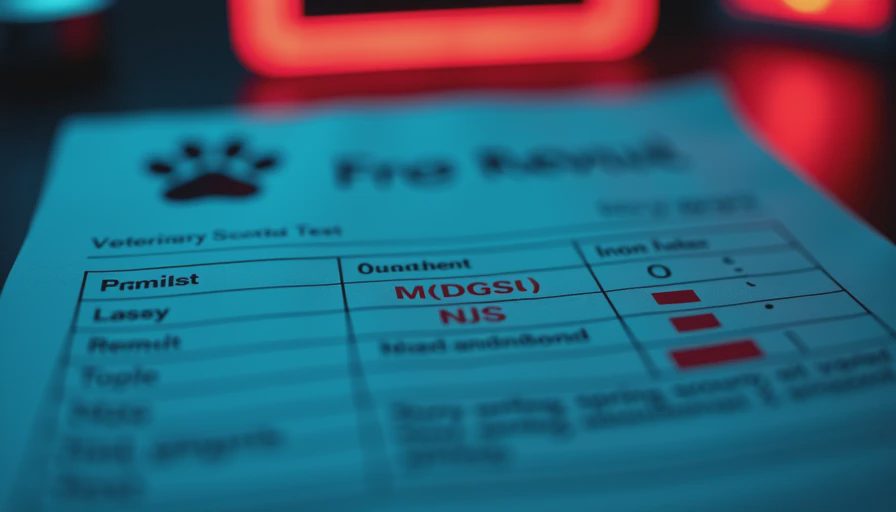
Here is what the chart actually says: treatment should follow the findings. A stable dog with uncomplicated colitis may need a temporary veterinary diet, fluids, and a recheck plan. A dehydrated dog may need injectable or intravenous fluids. A dog with an obstruction may need urgent surgery, while a dog with parasites needs a targeted medication. “Bleeding poop dog” is a symptom description, not a diagnosis.
What to do at home while arranging care
Write down the time, color, amount, and consistency of each bowel movement. Note appetite, water intake, energy, vomiting, and possible access to garbage, bones, toys, medications, or toxins. If more than one dog lives in the home, confirm which pet produced the stool before drawing conclusions.
Offer water and avoid new treats, fatty table scraps, bones, and sudden diet changes. Do not force food or water if your dog is vomiting. Keep activity quiet until you know whether abdominal pain is involved. A bland diet is sometimes recommended, but the right plan depends on age, medical history, and the suspected cause, so call your clinic before making a major dietary change.
Owners asking about bleeding poop dog problems often want one home remedy. There is no reliable universal remedy because colon irritation, parasites, ulcers, and obstruction require different care. A photo, timeline, and honest account of what your dog might have swallowed are more useful than an internet supplement.
A simple decision guide for owners
If you see one tiny red streak and your dog is completely normal, photograph it, monitor the next bowel movements, and contact your regular veterinarian for guidance. If there is repeated red blood, mucus, diarrhea, or straining, schedule an appointment promptly. If stool is black and tarry, blood is heavy, or your dog is weak, painful, pale, vomiting, or collapsing, seek emergency care.
Cost can often be managed by discussing the diagnostic ladder. A physical examination and fecal test may be a reasonable first step for a stable patient. Bloodwork, imaging, hospitalization, or surgery should be added when the examination supports them. Ask what each test is intended to answer; a good veterinarian should be able to explain the benefit before recommending it.
The phrase “bleeding poop dog” describes an alarming observation, but it does not tell us how sick the dog is by itself. Let the chart do the talking: stool appearance, behavior, hydration, examination findings, and time together create the answer. Call your veterinarian today with a photo and a clear description, and go straight to emergency care if your dog shows weakness, pain, pale gums, black stool, or heavy bleeding.



No letters yet — be the first to write.