A dog that starts squatting every ten minutes, leaving tiny puddles, or licking at the rear end sends plenty of owners into a panic. When people ask me about dog uti treatment, the first thing I do is slow the conversation down and separate likely bladder infection from could be a lot of other things. In the exam room, the cheapest mistake is guessing. A few dollars on a urine sample can save you from buying the wrong antibiotic, treating the wrong problem, or missing bladder stones, crystals, or diabetes. That is where real dog uti treatment starts: with the urine, not the internet.
How dog uti treatment starts in the exam room
The history matters more than people think. Is the dog straining and producing only drops, or just going out more often? Is there blood in the urine, accidents in the house, or a bad smell? A bladder infection is common, but so are crystals, inflammation, prostate disease in intact males, and even spinal pain that makes a dog squat awkwardly. I usually start with a quick physical exam, then a urinalysis. If the sample is fresh, I can check for blood, white cells, bacteria, pH, and crystal type. For a straightforward case, that exam plus urinalysis often runs about $100 to $200 at a general practice, depending on location. That is usually cheaper than chasing symptoms for a week with the wrong bottle of pills.
What dog uti treatment looks like after the urine sample
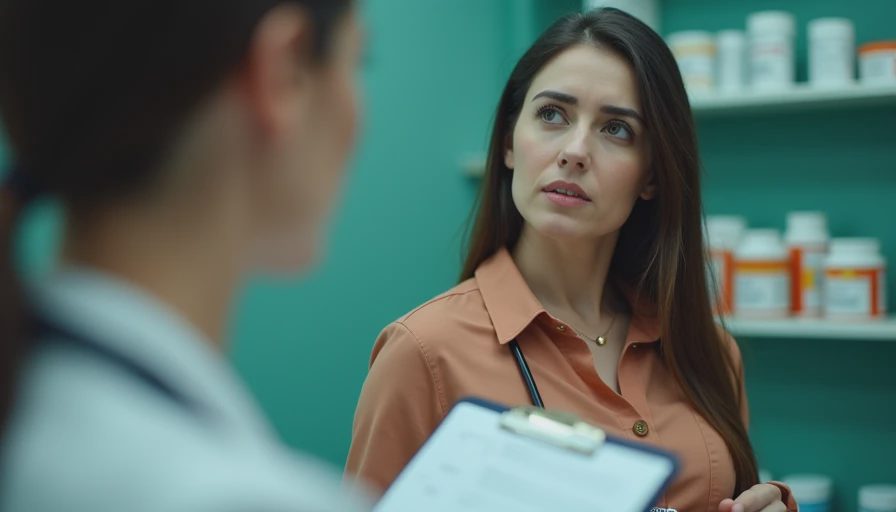
The urine test tells me whether I am treating a simple infection, something inflammatory, or a problem that needs more work. If the dog has a classic first-time infection and the urinalysis fits, I may start antibiotics right away. If the infection keeps coming back, or if the bacteria look unusual, I want a urine culture. That test is the gold standard because it identifies the bacteria and tells me which antibiotic should actually work. A culture usually adds around $120 to $250, and it saves money when the first drug would have missed the mark. For home collection, people often use a clean container, but at the clinic I prefer cystocentesis, a small needle into the bladder, because it gives the cleanest sample. It sounds scarier than it is; most dogs barely notice.
Medications, pain relief, and the mistakes I see most
Once I know what I am dealing with, the treatment plan is usually pretty simple. Many uncomplicated cases go home with a two- to seven-day course of an antibiotic chosen for the likely bacteria or, better yet, the culture result. Common medications include amoxicillin-clavulanate, cephalexin, or trimethoprim-sulfa, but the right drug depends on the sample. Pain matters too. Dogs with bladder inflammation often strain because it hurts, so I may add a urinary pain medication or anti-inflammatory support if the dog is otherwise healthy. A typical medication bill might be $20 to $60 for a basic antibiotic and a bit more if the case needs pain control or repeat testing. What I do not recommend is using leftover human antibiotics, cranberry gummies, or random supplements as the main plan. Those can delay real care and muddy the urine culture if we need one later.
When dog uti treatment is not enough
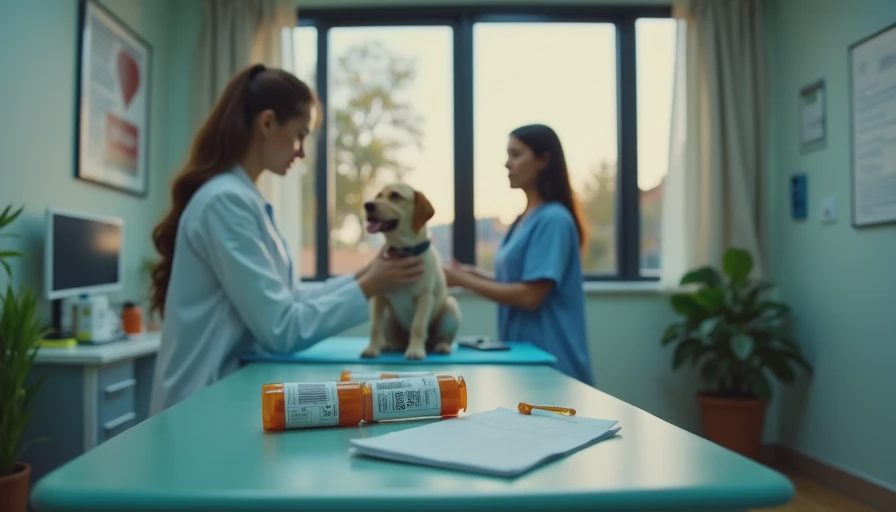
If I see a dog with a second infection in a short period, I start asking a different set of questions. Is there a bladder stone irritating the lining? Is the dog drinking and urinating more because of diabetes or Cushing's disease? Is there a prostate issue, especially in an older intact male? Recurrent infections are where the chart earns its keep. An x-ray or ultrasound can find stones, a blood panel can look for systemic disease, and a culture can show whether we are dealing with resistant bacteria. This is also where I become less interested in home remedies and more interested in the pattern. If a dog improves for three days and then symptoms come right back, that is not a stubborn UTI; that is a clue.
Home care that actually helps
At home, the goals are boring but effective: water, bathroom breaks, and watchful eyes. Encourage more drinking with fresh bowls, a fountain, or wet food if your dog likes it. Let the dog out more often so the bladder is not sitting full all day. If your vet prescribed medicine, finish it unless you are told otherwise. I also want owners to keep an eye on appetite, energy, and whether the dog can urinate normally. Some dogs need a recheck urinalysis after treatment, especially if symptoms were severe or the infection has repeated. That follow-up is not about creating extra bills; it is about making sure the problem actually cleared. I would rather catch a lingering infection on a $50 urine test than let it simmer until the dog is miserable again.
When the problem needs same-day care
A dog that cannot pass urine at all, is vomiting, seems weak, or has a swollen painful belly needs immediate veterinary attention. Male dogs are especially risky if they are straining with no urine coming out, because a blockage can become an emergency fast. Blood in the urine alone is not always an emergency, but it is not something I would ignore for days either. If your dog is still eating, bright, and able to urinate, you usually have time to get an appointment and do this the right way. If your clinic offers same-day urine testing, take it. If not, ask where you can get it. The less guesswork there is, the faster you get a real answer and a plan you can trust.
When owners ask me for dog uti treatment, I tell them the same thing I would write in the chart: start with a urine sample, treat the specific problem, and follow up if the pattern does not make sense. Let the chart do the talking.



No letters yet — be the first to write.