The phone call usually starts the same way: a dog is making frequent trips outside, squatting forever, and the owner is wondering if this is a dog uti. In the exam room, I start with the history, because the story often tells me more than the first test. A dog that is leaking urine, licking the vulva or penis, having blood-tinged accidents, or asking to go out every hour might have an infection, but it could also have bladder stones, inflammation, prostate trouble, or a metabolic problem that keeps setting the stage for repeat trouble. Here’s what the chart actually says: don’t guess from one symptom alone.
The first clues I care about
A dog uti usually shows up as more than just one missed potty break. I want to know whether the dog is straining, producing only drops, waking up at night, or suddenly having accidents in a house-trained home. Blood in the urine gets attention fast, but it does not automatically mean a complicated problem. In many dogs, the bladder is simply irritated. What changes my level of concern is the overall picture: fever, vomiting, loss of appetite, back pain, or a dog that seems dull and miserable. That is when I stop thinking about a simple bladder infection and start looking wider. Age matters too. Older dogs have a higher chance of stones, hormone-related issues, or diabetes making the urinary tract easier to infect.
If the dog is a male, I pay extra attention to the prostate and any sign that urine flow is weak or incomplete. If the dog is female and the problem keeps coming back, I want to know whether the last infection was ever fully confirmed or whether the dog kept getting treated based on symptoms alone.
How I confirm it without guessing
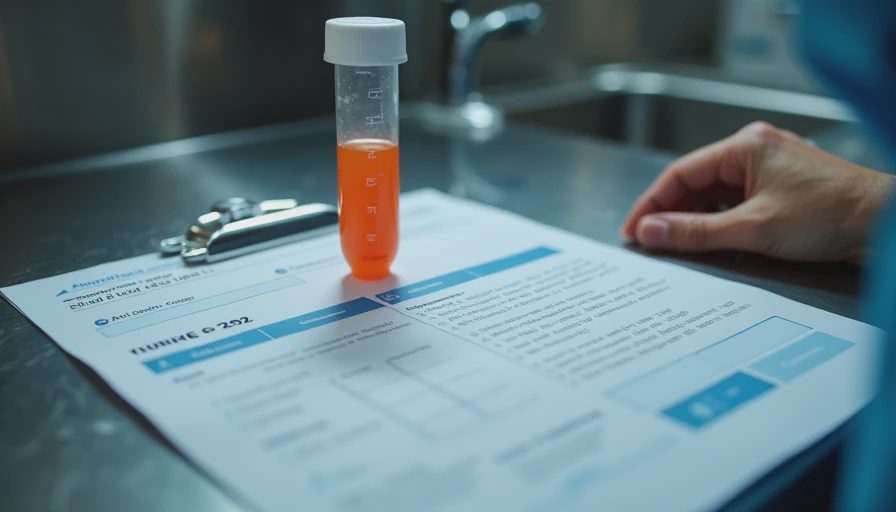
To confirm a dog uti, I start with a urinalysis. That is the affordable first step and usually costs less than a culture. In a lot of cases, I can collect a sample in the clinic or review one brought in fresh from home, then look for white blood cells, bacteria, blood, and urine concentration. A free-catch sample is fine for screening, but if I want the cleanest sample possible, I prefer cystocentesis, which means taking urine with a tiny needle through the belly into the bladder. It sounds worse than it is, and most dogs tolerate it well.
Here’s what the chart actually says: urinalysis tells me whether infection is likely, but culture tells me which antibiotic should work. I lean on culture when the infection is recurrent, the dog has had antibiotics recently, the signs are messy, or the dog is not improving the way I expect. That test usually runs higher, often in the $120 to $200 range, but it can save money by preventing a bad antibiotic choice and another visit two weeks later.
Why culture matters in repeat cases
When I do think a dog uti is straightforward, I still keep one eye on the bigger picture. A bladder infection can be the first clue that something else is going on. Diabetes is a classic example, because extra glucose in the urine makes bacteria happier. Cushing’s disease can do the same thing. Bladder stones can look exactly like infection, and some dogs have both at once. That is why a dog that gets two or three infections in a year deserves a deeper look, not just another refill.
In repeat cases, I may add bloodwork or imaging. X-rays can pick up many stones, and ultrasound can show bladder wall changes or debris that a plain urine test will miss. That sounds like a bigger bill, and it is, but it is also the step that keeps me from treating the same problem over and over while the real cause stays hidden. In a complicated dog, spending $200 to $500 on a more complete workup can be smarter than spending that much every few months on temporary fixes.
What treatment usually looks like
If it turns out to be a straightforward dog uti, treatment is usually not dramatic. I want the right antibiotic, not just the familiar one. When I have a culture, I can pick a drug that matches the bacteria instead of firing blind. When I do not have a culture yet, I choose based on the urinalysis, the dog’s history, and how sick the dog looks, then I adjust if the culture comes back different. A simple infection often responds to a short course of medication, while complicated cases can need longer treatment and a recheck.
I also talk about comfort. Some dogs need pain relief or anti-inflammatory support, but I only use that when kidney function, hydration, and the rest of the exam make it a safe choice. Water intake matters more than most people think. Wet food, a fountain, extra water bowls, and more chances to go outside all help flush the bladder. What does not help is using leftover antibiotics from a past prescription or buying something random online and hoping for the best.
When to call today instead of waiting
There are a few times when I do not want an owner to sit on it overnight. If a dog is trying to urinate and nothing is coming out, that is an emergency. If the dog is vomiting, painful, feverish, or suddenly very tired, I want the dog seen the same day. A blocked male dog is the big one to never ignore, but a female dog with worsening signs can also go downhill faster than people expect. Blood in the urine alone is not always an emergency, but blood plus lethargy or pain deserves a prompt visit.
If the problem is mild and the dog is bright, eating, and drinking, an exam and urine test are still worth getting on the schedule soon. I would rather catch a simple infection before it turns into a complicated one than explain why we are now chasing stones, kidney involvement, or a stubborn recurrent pattern. For dogs that keep having trouble, prevention is mostly about water, regular potty breaks, and figuring out what is setting the dog up for repeat infections in the first place.
If your dog is straining, leaking, or making a mess in the house, bring a fresh urine sample and call your vet today, and let the chart do the talking.



No letters yet — be the first to write.