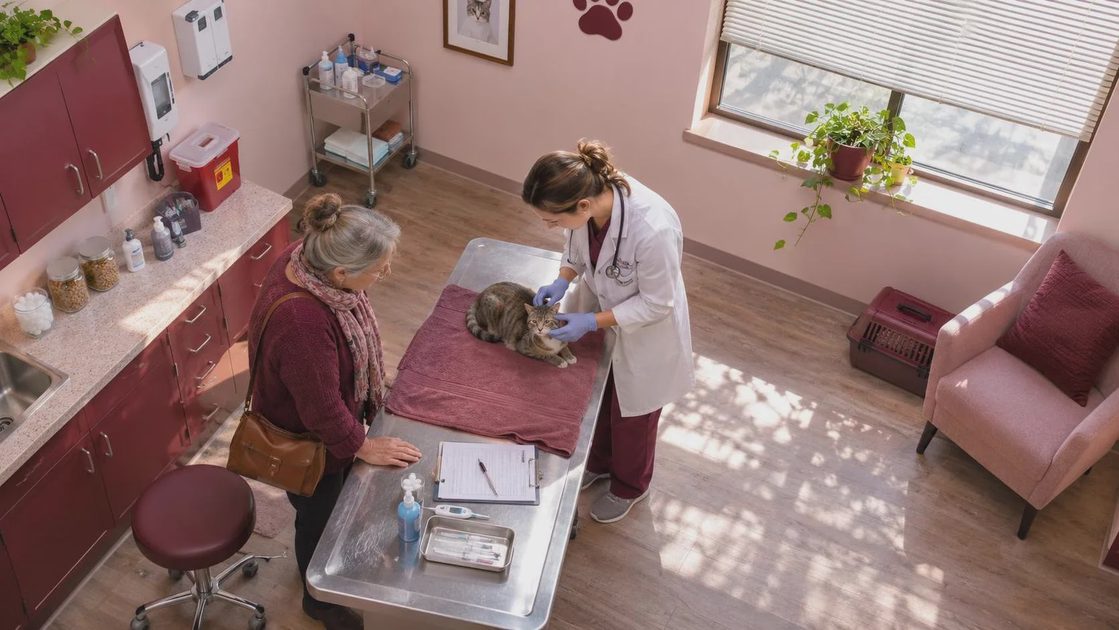
At my clinic in Madison, a typical Solensia cat appointment starts quietly. The owner sets a carrier on the floor, and an older cat steps out slowly, looking less interested in the room than in finding a warm towel. The concern is usually the same: the cat no longer jumps onto the couch, misses the litter box occasionally, or seems irritable when picked up. Solensia cat treatment is one option for pain caused by osteoarthritis, but it is not a magic age-reversal injection. The useful question is whether your cat's exam findings match the problem this medicine is designed to treat.
What Solensia is and what it does
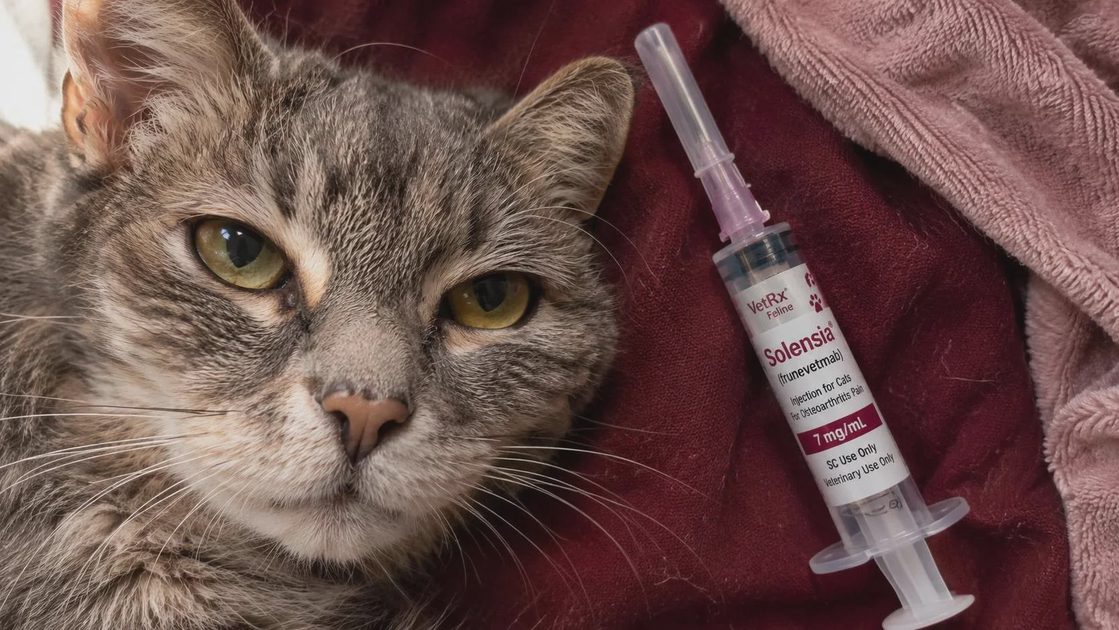
Solensia is the brand name for frunevetmab, a prescription monoclonal antibody used in cats to control osteoarthritis pain. Osteoarthritis is common in older cats, but cats are exceptionally good at hiding discomfort. Instead of limping dramatically, they often stop climbing, groom less thoroughly, sleep in easier-to-reach places, or become less tolerant of handling.
Unlike a traditional nonsteroidal anti-inflammatory drug, Solensia does not work by broadly blocking inflammatory enzymes throughout the body. It targets nerve growth factor, a protein involved in pain signaling. The medication is given as an injection under the skin, generally once a month, by a veterinary professional. It is not a daily pill, and it is not intended for dogs. Because it is a prescription medication, the veterinarian should first decide whether arthritis is actually the reason for the behavior change.
Here is the practical distinction: Solensia can reduce pain, but it cannot repair damaged cartilage, cure hip dysplasia, remove a dental problem, or treat kidney disease. A cat that improves after treatment has given us useful information, but the response still needs to be interpreted alongside an exam.
How we decide whether it is a good fit
The first step is often cheaper and more important than the injection: watch the cat's routine. Ask yourself whether your cat hesitates before jumping, uses stairs instead of a favorite perch, claws furniture less often, sleeps more, or takes longer to settle after lying down. Short videos from home can be more informative than a cat who becomes tense in the examination room.
I also check the spine, hips, knees, elbows, and shoulders for reduced range of motion or discomfort. Blood work is not always required solely because a cat is starting Solensia, but it can be sensible for an older cat with weight loss, increased thirst, vomiting, or other concerns. Those signs could point to kidney disease, thyroid disease, gastrointestinal illness, or another condition that pain control alone will not solve.
A Solensia cat may show better movement within the first month, though the timing and degree of improvement differ. I ask owners to choose two or three measurable behaviors before the first dose. For example, count how often the cat climbs onto a 16-inch chair, note whether grooming improves, or record the time needed to enter the litter box. “Seems happier” matters, but specific observations make the follow-up decision clearer.
What the first month usually looks like
The injection itself is brief. Some cats notice a needle; many are more offended by being held. Afterward, most return home without special restrictions. The most useful home plan is to keep the cat's environment easy to navigate. Put a low-sided litter box on the same floor as the favorite sleeping area, add a step to a couch, and use food and water dishes that do not require a painful crouch.
Do not judge the treatment only by whether your cat starts racing through the house. An older cat may simply walk more comfortably, groom the lower back again, or stop growling when lifted. Those are meaningful wins. If there is no observable improvement after a reasonable trial, I revisit the diagnosis rather than automatically escalating treatment.
Owners sometimes ask whether they can give a human pain reliever at home while waiting. Please do not improvise. Acetaminophen is highly dangerous to cats, and common human anti-inflammatory drugs can cause serious toxicity. If additional pain control is needed, the veterinarian can discuss cat-appropriate options and the monitoring they require.
Side effects, safety, and cost
The prescribing veterinarian should review the product information and your cat's medical history. Report vomiting, diarrhea, marked lethargy, new skin irritation, facial swelling, breathing difficulty, or a significant change after an injection. A mild, short-lived reaction at the injection site is different from an emergency, but swelling of the face or trouble breathing warrants immediate veterinary attention.
The price of a Solensia cat visit varies by clinic, location, dose, and whether an examination is included. A realistic planning range is often about $60 to $150 for the medication and administration, with a separate exam fee commonly adding $50 to $100 or more. Those are budgeting numbers, not a quote. Ask whether the price includes the monthly recheck, and ask about multi-visit pricing before committing.
There are also lower-cost measures worth doing at the same time. A ramp or pet step may cost $20 to $80. A low-entry litter box can be inexpensive, and gradual weight reduction can reduce strain in an overweight cat. Weight loss should be planned with your veterinarian because rapid food restriction can be dangerous for cats. The most expensive treatment is not always the most complete plan; comfort, mobility, nutrition, and the home setup all matter.
Solensia compared with other pain plans
A Solensia cat may be an excellent candidate when daily medication is difficult. Some cats refuse pills, spit out liquids, or become stressed by repeated handling. A monthly injection can simplify the routine and make consistent treatment more realistic. That convenience has genuine value, especially in a household where medication attempts turn into a wrestling match.
Other cats may need a different approach. A veterinarian might discuss a carefully selected anti-inflammatory, gabapentin, physical rehabilitation, therapeutic laser, weight management, or environmental changes. These choices are not interchangeable, and each has its own safety considerations. Cats with kidney, liver, stomach, or heart problems need individualized planning rather than internet dosing advice.
The best plan is often layered. For example, a 13-year-old, overweight cat may receive monthly pain control, measured meals, a low-entry litter box, and a heated bed placed on the floor. Another cat with painful dental disease may need dental treatment first. Let the chart do the talking: the diagnosis, examination, medical history, and response over time should guide the next step.
Questions to bring to the appointment
Before scheduling, write down when the change began and which activities are different. Bring medication bottles or a current list, including supplements. Ask whether the veterinarian sees evidence of osteoarthritis, whether blood work is advisable, what improvement should be expected, and how it will be measured.
Also ask what happens if the first month produces little change. Will the diagnosis be reconsidered? Is another pain strategy available? What symptoms should trigger a call? Those questions prevent a treatment trial from becoming an open-ended expense with no clear goal.
Solensia cat treatment is neither a miracle nor a gimmick; for the right patient, it can be a practical way to restore comfortable movement. Start by recording one specific behavior your cat has stopped doing, then discuss that change with your veterinarian.


No letters yet — be the first to write.