A dog scratches through the night, develops a few raised bumps, or comes inside with a swollen muzzle after investigating the backyard. In that moment, canine benadryl often seems like the obvious first step. I understand why. Diphenhydramine is familiar, inexpensive, and available at nearly every pharmacy. But the useful question is not simply whether dogs can take it. The question is whether it is appropriate for this dog, this product, and this problem.
In my Madison exam room, I usually start with the affordable option: identify the likely trigger, check the dog’s breathing and circulation, and call the regular veterinary clinic for dosing guidance. A bottle from the medicine cabinet is not automatically safe just because its label is easy to read.
What canine benadryl actually does
Canine benadryl usually refers to diphenhydramine, an antihistamine that blocks some effects of histamine. Histamine contributes to itching, hives, redness, and swelling during certain allergic reactions. It does not treat every cause of scratching, and it does not remove the trigger. A dog with fleas, a skin infection, mites, food-related disease, or an ear problem can remain uncomfortable after an antihistamine.
The medication may make a dog sleepy, although some dogs become restless instead. Dry mouth, urinary retention, vomiting, diarrhea, or a faster heartbeat can occur. Older dogs and dogs with glaucoma, heart disease, high blood pressure, prostate enlargement, or urinary problems need additional caution. Puppies, pregnant dogs, and dogs taking sedatives also deserve a veterinarian’s review before medication is given.
Here’s what the chart actually says: diphenhydramine is sometimes useful, but its benefit for routine allergic itch is inconsistent. Modern veterinary allergy treatments can work more reliably for ongoing skin disease. Canine benadryl is better viewed as a limited tool than a universal allergy cure.

Check the label before giving anything
The biggest preventable mistake is using a combination cold, flu, or sinus product. Some human medicines contain pseudoephedrine, phenylephrine, acetaminophen, alcohol, or other ingredients that can seriously harm a dog. A product labeled “D,” “cold and flu,” or “multi-symptom” should stay out of the dog’s mouth unless a veterinarian specifically prescribed it.
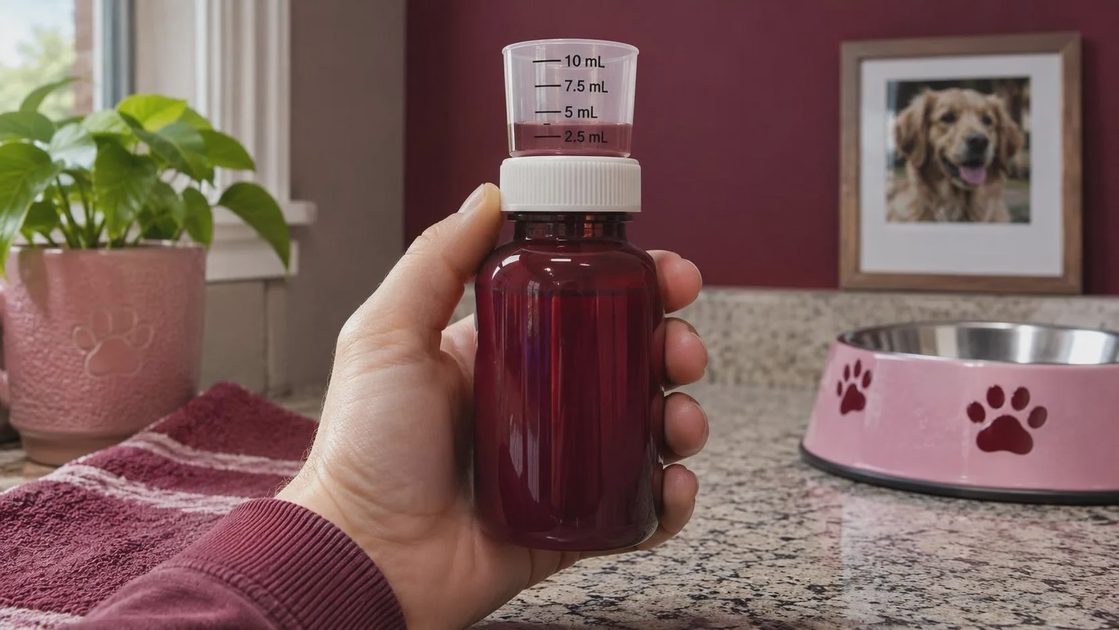
Even plain diphenhydramine products deserve a label check. Liquid medicines may contain alcohol or sweeteners, and some sugar-free products can contain xylitol. Xylitol can cause a dangerous drop in blood sugar and liver injury in dogs. Gummies, chewable tablets, and flavored liquids may contain extra ingredients that are not obvious from the front of the package.
Bring the package, or take a clear photograph of its active ingredients, when you call the clinic. Tell the veterinary team your dog’s weight, age, breed, medical conditions, current medications, and the exact amount already given. That information lets them make a real decision instead of guessing from the word “Benadryl” alone.
When canine benadryl is not enough
Facial swelling, widespread hives, repeated vomiting, weakness, pale gums, collapse, or breathing changes can signal a serious allergic reaction. This is an emergency, particularly when symptoms appear quickly after a vaccine, sting, medication, or new food. Do not wait at home to see whether canine benadryl starts working if breathing is abnormal or your dog seems faint. Contact an emergency veterinary hospital while preparing to leave.
A mild, localized rash is different from anaphylaxis, but it still needs monitoring. Take a photo before treatment so you can compare the swelling later. Remove a visible irritant, such as plant material, and rinse the paws with lukewarm water if contact exposure is plausible. Do not apply human creams unless your veterinarian recommends them; dogs often lick topical products, and some ingredients are unsafe when swallowed.
If a dog receives the wrong product, too much medication, or an unknown amount, call your veterinarian, an emergency clinic, or a pet poison service immediately. Do not induce vomiting unless a professional tells you to do so.
How veterinarians decide whether it fits
At an appointment, I look at the pattern rather than treating the word “allergy.” Flea allergy often causes intense itching around the tail base and back legs. Environmental allergies commonly affect the feet, face, ears, and belly. Bacterial or yeast infections may add odor, redness, greasy skin, scabs, or discharge. Those conditions require different treatment plans.
I also consider whether the dog is taking anything that could add sedation or affect the heart. A dog receiving trazodone, gabapentin, opioid pain medicine, or certain behavior medications may become excessively drowsy when another sedating drug is added. Canine benadryl can also complicate an examination by masking signs or making a nervous patient unusually quiet.
For a one-time mild reaction, a veterinarian may discuss diphenhydramine. For repeated itching, the better-value plan is often flea prevention, treatment of infection, and a structured allergy workup. Depending on the diagnosis, options can include prescription anti-itch medication, medicated shampoo, ear treatment, or an elimination diet. Spending $20 on the wrong product several times is not cheaper than finding the actual cause.
What to monitor at home
After a veterinarian approves canine benadryl, observe your dog in a quiet area for several hours. Sleepiness should not progress to difficulty waking, stumbling, collapse, or unusual weakness. Watch breathing, gum color, facial swelling, vomiting, urination, and the degree of itching. Keep the medication container nearby so you can report the product and strength accurately.
Never share a dose from one dog with another without fresh guidance. A Chihuahua, a Labrador Retriever, and a senior dog with kidney or heart disease do not have the same risk profile. Household tablets may also have different strengths, so counting pills without confirming milligrams can produce an error.
Write down the time given, the amount, and what changed afterward. That small home chart helps your veterinarian decide whether the medication helped, caused side effects, or simply coincided with natural improvement. Let the chart do the talking.
The practical bottom line
Canine benadryl can have a place in veterinary care, especially for selected mild allergic symptoms, but it is not a safe answer for every itchy or swollen dog. Use only a veterinarian-approved product and dose, avoid combination formulas, and treat breathing trouble, collapse, or rapidly worsening swelling as an emergency. Before reaching for the bottle, call your veterinary clinic with the label and your dog’s current information.



No letters yet — be the first to write.