The Test Almost Everyone Still Uses
Pinch the skin on the back of the neck, pull it up, and watch how fast it snaps back. If it tents, the cat is dehydrated. That is the version most owners—and plenty of internet articles—still treat as gospel.
In the exam room I still perform skin turgor because it is quick and costs nothing. I also know it is one of the least sensitive tools I have for cats. By the time the skin stays tented, many cats are already moderately dehydrated. The goal of home monitoring is to notice the problem earlier, not to confirm it after the fact.
Here is a more useful way to think about water intake and hydration in cats, built from the same observations we rely on in practice.
Why Cats Are Easy to Under-Hydrate
Cats evolved as desert-adapted hunters. Their thirst drive is weaker than a dog’s. Many of them eat dry food as their primary moisture source and simply do not compensate by drinking enough free water. Add kidney aging, a preference for running water, or mild nausea, and total intake drops further.
Chronic low-grade under-hydration is common and quiet. It does not look dramatic until it contributes to constipation, urinary issues, or worsening kidney values. That is why we need metrics that move earlier than skin tenting.
Metric 1: Resting Respiratory Rate and Gum Feel (The 30-Second Check)
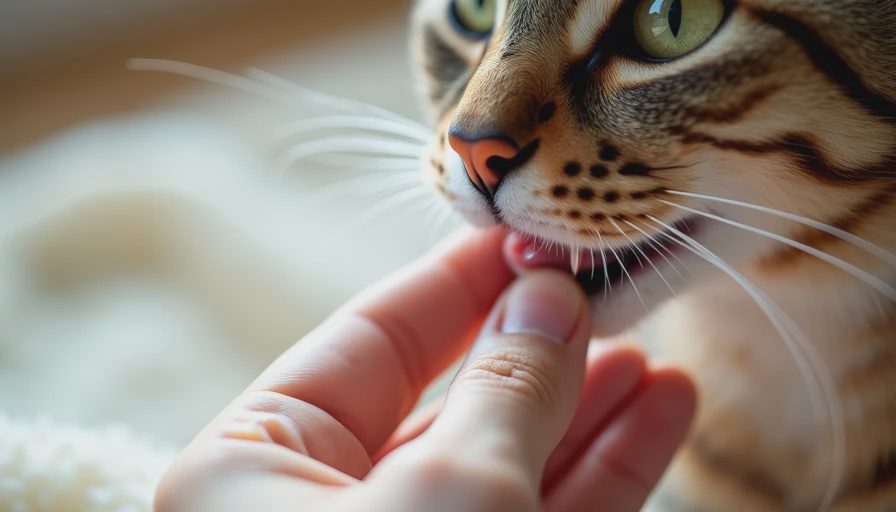
When a cat is deeply relaxed—sleeping or resting in a favorite spot—count the breaths for 15 seconds and multiply by four. Most comfortable cats sit between 16 and 30 breaths per minute. A consistent rise above the cat’s personal baseline, especially if the gums feel tacky instead of slick, is useful information.
Gum moisture is more sensitive than skin turgor in many cats. Lift the lip gently. The gums should feel wet, almost slippery. Sticky or dry gums appear before obvious skin tenting in a surprising number of patients. Pair the two observations and you already have a better early signal than skin alone.
Metric 2: Litter-Box Clump Size and Frequency (The Daily Data)
You already look at the litter box if you followed the earlier home-chart post. Now look specifically at urine volume.
Larger or more frequent clumps can mean the cat is drinking more (or that the kidneys are concentrating less). Smaller or fewer clumps over several days can mean intake has dropped. Neither pattern diagnoses anything by itself, but a clear change from the cat’s normal pattern is one of the earliest and most reliable home clues we have.
If you use a clumping litter and scoop daily, you already own this data. You only need to notice it on purpose.
The Supporting Cast: Water Sources and Food Moisture
Once you are watching the metrics, the practical levers become obvious.
Multiple water stations in quiet locations raise intake for many cats.
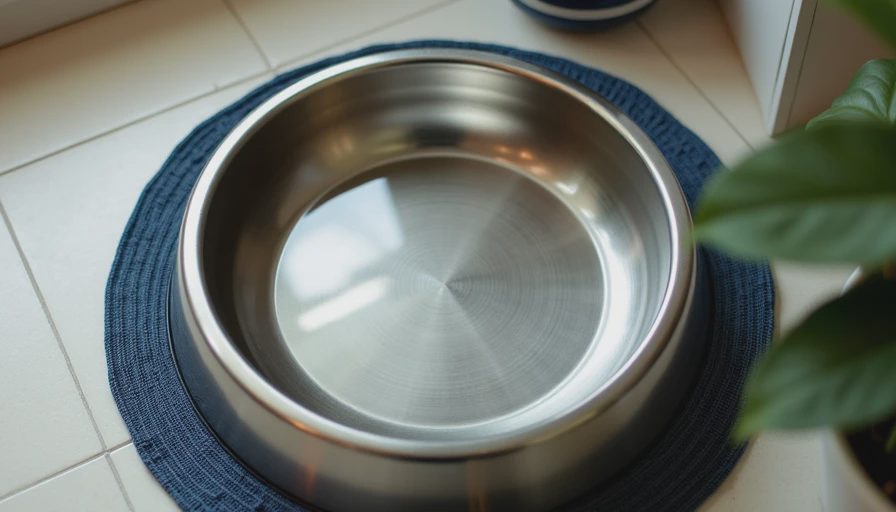
Wide, ceramic or stainless bowls are preferred over deep plastic ones by most cats.
Running water (fountain) increases drinking for a large percentage of cats.
Wet food or added water on dry food is still the single most effective way to raise total moisture intake.
You do not need to force a complete diet change overnight. Even partial replacement of dry calories with wet food, or simply adding warm water to the existing kibble, moves the needle.
When the Numbers Should Prompt a Call
A single day of smaller clumps or slightly tacky gums is worth noting, not panicking over. Persistent change over three or four days, especially if paired with reduced appetite, lethargy, or constipation, is worth a phone call. Sudden inability to produce urine or repeated unproductive trips to the box is an emergency, particularly in male cats.
Bring your observations. “The clumps have been half the usual size for five days and the gums feel sticky” is far more useful than “I think she might be dehydrated.”
How This Fits the Rest of the Home Chart
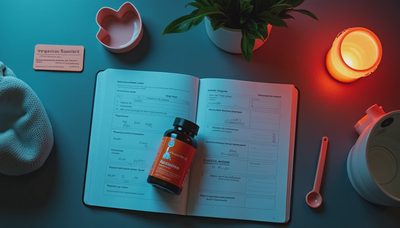
Pair the hydration metrics with the five-minute monthly checkup and the litter-box diary. Once a month you feel the ribs, check the gums, glance at the box notes, and look at the water bowls. The whole routine stays under ten minutes and gives you a clearer picture than any single viral test.
Skin turgor is not useless. It is just late. The earlier signals—gum feel, resting respiratory rate, and urine volume—are already available in every household that owns a cat. You only need to start reading them on purpose.
Let the chart do the talking. In this case the chart includes the water bowl and the litter box.


No letters yet — be the first to write.