At 7:40 on a Monday morning, a Labrador named Scout was sitting beside his owner's chair with the guilty expression dogs seem to reserve for gastrointestinal trouble. He had vomited twice overnight after raiding a kitchen trash can. His examination was reassuring, so we discussed bland dog food for upset stomach symptoms instead of jumping straight to expensive testing. That distinction matters: a mild, short-lived stomach upset is different from an obstruction, pancreatitis, or serious infection.
What bland food is supposed to do
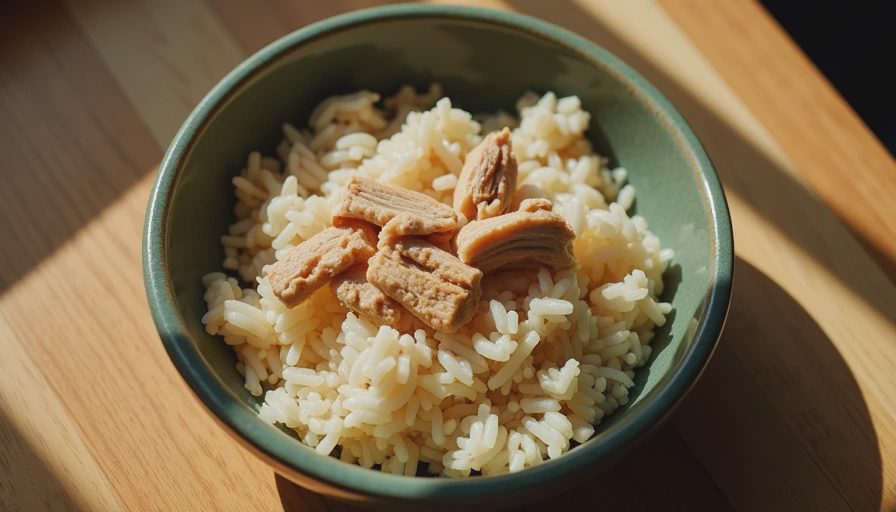
The usual goal is simple: provide small, easy-to-digest meals while the stomach and intestines settle. Traditional bland dog food for upset stomach cases often means boiled, skinless chicken with plain white rice. Some veterinarians use cooked lean ground turkey or low-fat cottage cheese in carefully limited amounts. The food should contain no butter, oil, garlic, onion, seasoning, gravy, bones, or skin.
A homemade meal can be reasonable for a healthy adult dog with mild vomiting or diarrhea and normal energy. It is not a complete diet, however. Chicken and rice lack the right balance of calcium, vitamins, minerals, and essential fatty acids. I generally use this approach for only a day or two, then transition back to a complete commercial diet if the dog improves. Puppies, pregnant dogs, diabetic dogs, and pets with chronic disease need a more individualized plan.
Portion size is where many otherwise sensible plans go wrong. A full bowl can trigger another episode even when the ingredients are gentle. After several hours without vomiting, offer a small serving, perhaps one-quarter of the normal meal, and wait two to four hours. If it stays down, repeat small meals three to six times that day. Water should remain available, but discourage frantic drinking by offering frequent modest amounts if gulping leads to vomiting.
Choosing a commercial option
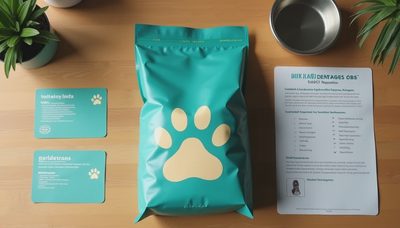
For many homes, a veterinary gastrointestinal diet is more reliable than assembling bland food from the refrigerator. Products such as Hill's Prescription Diet i/d, Royal Canin Gastrointestinal, and Purina Pro Plan Veterinary Diets EN are formulated to be digestible and nutritionally complete. They are not magic cures, but their consistent ingredients and nutrient profile make the next feeding easier to manage.
Over-the-counter sensitive-stomach foods can also work for a mild episode. Look for a complete-and-balanced label, a familiar protein, moderate fat, and no rich extras. Avoid changing among several brands in the same day. When owners ask me about bland dog food for upset stomach problems, I would rather see one appropriate food offered in controlled portions than a buffet of chicken, pumpkin, treats, and supplements.
Pumpkin deserves a measured explanation. Plain canned pumpkin contains fiber and can help some dogs with loose stool, but more is not better. Pumpkin pie filling is different and can contain sugar and spices. A teaspoon for a small dog or a tablespoon for a larger dog is a common starting range, but the appropriate amount depends on the dog and the rest of the meal. Stop if it worsens gas or diarrhea.
When home care is reasonable
Home monitoring is usually sensible when a dog has one or two mild episodes, remains alert, keeps water down, and has no significant pain. A dog that steals a few bites of fatty food and develops soft stool may improve over 24 hours with rest, water, and bland dog food for upset stomach symptoms. Keep activity quiet, remove table scraps, and record what happened, including the time, amount, color, and frequency of vomiting or diarrhea.
The chart often gives us useful clues. A dog that vomits once but wants breakfast is managed differently from one that repeatedly retches, refuses water, or becomes withdrawn. Black, tarry stool can indicate digested blood, while bright red blood may come from irritation near the lower bowel. Either deserves veterinary advice, especially when paired with weakness, pale gums, or abdominal discomfort.
Do not give human medicines casually. Bismuth products, anti-diarrheal drugs, and pain relievers can be unsafe or inappropriate for dogs, particularly those with kidney disease, ulcers, medication interactions, or dehydration. A veterinarian can tell you whether a medication is appropriate after considering the dog's weight, history, and examination.

Signs your dog needs an appointment
Some stomach problems should not be managed with bland dog food for upset stomach symptoms alone. Call your veterinarian promptly if vomiting continues, diarrhea is severe, your dog cannot keep water down, or symptoms last beyond roughly 24 hours. Call sooner for a puppy, senior dog, very small breed, or pet with diabetes, kidney disease, liver disease, or a history of pancreatitis.
Emergency evaluation is appropriate for repeated unproductive retching, a swollen or painful abdomen, collapse, trouble breathing, suspected toxin exposure, or a possible swallowed object. A sock, corn cob, toy, or piece of clothing can create an obstruction that food will not fix. Waiting for the item to pass can turn a manageable problem into surgery.
At the clinic, we start with history and examination. Depending on the findings, affordable first steps may include hydration support, an anti-nausea medication, or a fecal test. X-rays, blood work, ultrasound, or hospitalization are added when the chart supports them. Here's what the chart actually says: treatment should match the risk, not simply the owner's anxiety or an alarming internet post.
How to return to normal food
Once vomiting has stopped and stool is improving, transition gradually. On the first day, mix about 75 percent bland food with 25 percent regular food. Move to half and half the next day, then 25 percent bland food and 75 percent regular food before returning fully to the usual diet. If loose stool returns, step back to the last tolerated mixture and contact your veterinarian if the setback continues.
Treats count as food during recovery. Skip dental chews, fatty snacks, rawhide, table leftovers, and sudden supplements. After a dog is normal again, reintroduce extras one at a time. That makes it easier to identify the problem if symptoms return. Dogs with repeated episodes may need a longer-term low-fat, hydrolyzed-protein, or fiber-responsive diet rather than recurring homemade meals.
A practical feeding checklist
Before offering bland dog food for upset stomach concerns, ask four questions. Is the dog alert? Can the dog keep small amounts of water down? Is there blood, severe pain, repeated vomiting, or a swollen abdomen? Is this a puppy or a dog with a medical condition? A reassuring answer to all four supports careful home observation; a concerning answer means the phone call comes first.
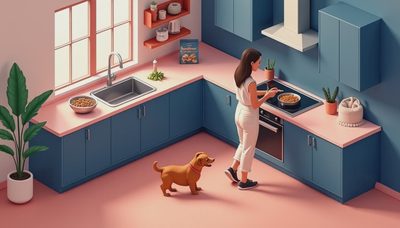
Use a clean measuring cup, write down each feeding, and weigh ingredients when possible. Keep fresh water available and prevent access to trash, compost, medications, and fatty leftovers. Do not force-feed a nauseated dog. If you need an appointment, bring the food package, medication list, and a photo of unusual stool or vomit if you have one.
The cheapest safe plan is often small meals, hydration, quiet rest, and close observation. The gold-standard plan is a veterinary examination when the pattern does not fit a mild dietary upset. Bland dog food for upset stomach episodes has a useful place, but it is a short-term tool, not a diagnosis or a substitute for care when warning signs appear.
If your dog is bright and improving, feed small measured portions and transition slowly; if vomiting, pain, blood, or weakness appears, call your veterinarian today.

No letters yet — be the first to write.