The basement smelled like warm grain and citrus hops when the Labrador came into my exam room. His owner had been brewing a pale ale, turned away for a few minutes, and found the dog licking a bucket of spent mash. He was worried, embarrassed, and expecting a lecture. He got neither. Homebrewing and pets can coexist, but the brewing area needs the same practical safeguards you would use around medications, trash, and cleaning products.
The biggest hazards are not mysterious. Alcohol, hops, fermenting dough, hot wort, concentrated cleaners, glass, and discarded grain can all cause trouble. Cats usually show less interest in brewing materials, but they are not immune to spills or fumes. The goal is not to ban your hobby. It is to control access and know which exposure deserves a phone call.
Why beer ingredients are not pet food
Finished beer is dangerous because of ethanol. Dogs and cats are smaller than people, and even a modest amount can cause sleepiness, poor coordination, vomiting, low body temperature, low blood sugar, or breathing problems. A pet that seems merely tipsy can worsen as alcohol is absorbed. Do not induce vomiting at home unless a veterinarian specifically directs you; an unsteady animal can inhale vomit.
Hops deserve separate attention. In dogs, hop ingestion has been associated with a dangerous rise in body temperature, sometimes after only a relatively small amount. The risk is not limited to one beer style, and dried hops, pellets, and brewing bags should be treated as toxic materials. The science does not give owners a reliable safe quantity, so I do not recommend experimenting with portion sizes. Cats are less commonly reported with hop exposure, but the same storage rule applies.
Yeast creates another problem. Raw dough or actively fermenting wort can continue producing alcohol and gas inside a stomach. That combination can cause painful distention and intoxication. Spent grain may look harmless, yet it can ferment, spoil, or contain sharp pieces. Some homebrewers also add raisins, fruit pits, or sweeteners to recipes, creating extra hazards unrelated to beer itself.
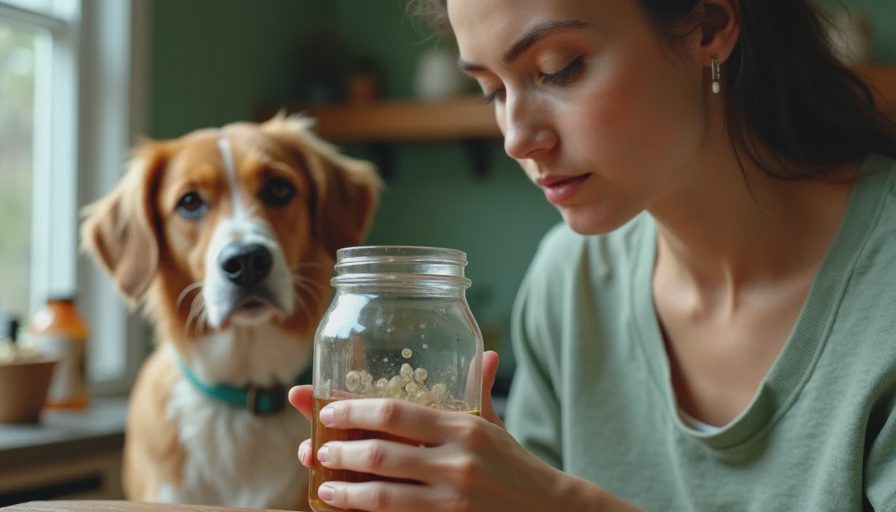
Homebrewing and pets: Build a physical barrier
The cheapest effective improvement is a closed door. Brew in a room your dog or cat cannot enter, and use a latched gate when carrying hot kettles or buckets through the house. A baby gate is useful for some dogs, but a determined climber needs a closed door. Keep fermentation vessels on stable shelving rather than on the floor, where a wagging tail or curious nose can knock them over.
Put hops, malt, yeast packets, priming sugar, and additives in sealed containers. A plastic storage bin with a locking lid is inexpensive and easier to clean than a pantry shelf. Label it clearly, especially if children also move around the brewing area. Store finished beer in a closed refrigerator or cabinet, not in an open case beside the dog’s food.
During a brew day, assign one person to watch the pet or place the pet elsewhere. This matters most when you are distracted by a boil, a timer, or a heavy kettle. A dog that has never cared about the basement may suddenly investigate because the room smells different.
Hot wort, broken glass, and cleaning chemicals
Hot wort can burn paws, mouths, and skin. A spill is an emergency for a pet that walks through it, even if the liquid does not look dramatic on a dark basement floor. Keep pets away until the kettle, tubing, and work surfaces have cooled and been cleaned. If hot liquid contacts the skin, cool the area with clean, room-temperature-to-cool running water and contact a veterinarian. Do not apply butter, oil, or thick ointments over a fresh burn.
Glass carboys and bottles create a second set of injuries. Store them in crates or low-traffic cabinets, and do not leave broken glass in a trash bag that a dog can tear open. Caps, tubing, bottle brushes, and hydrometers should be put away after use. A swallowed bottle cap can cause an obstruction, while a sharp fragment can perforate the mouth or digestive tract.
Brewing cleaners and sanitizers require ordinary chemical safety. Keep products in their original labeled containers, never mix them casually, and rinse surfaces as directed. A pet licking a wet floor can ingest a concentrated residue. If an exposure occurs, save the product label and call your veterinarian or an animal poison service for specific guidance.
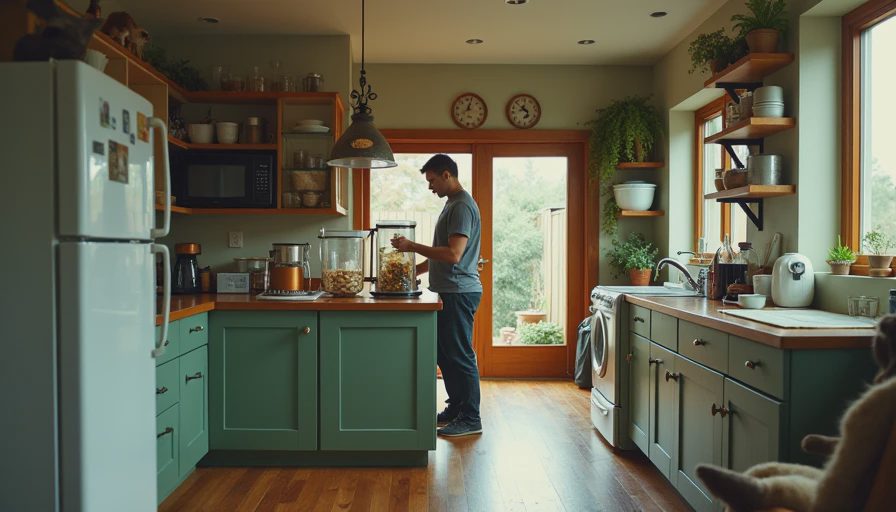
What to do if your pet gets into the brew
Start with the facts. Identify the substance, estimate the amount, note when it happened, and weigh the animal if you know the current weight. Take a photo of the label or ingredient list. Do not give milk, oil, salt, hydrogen peroxide, or human medication unless a veterinary professional instructs you. Homebrewing and pets emergencies are easier to assess when the clinic has a clear timeline rather than a guessed diagnosis.
Call promptly for any known alcohol or hop exposure, even if the pet currently appears normal. Seek immediate emergency care for collapse, trouble breathing, repeated vomiting, severe weakness, tremors, seizures, a very high body temperature, or a swollen painful abdomen. Keep the pet warm and quiet during transport, but do not wrap an overheated dog in heavy blankets. Cats should travel in a secure carrier.
A veterinarian may check temperature, blood glucose, hydration, neurologic function, and breathing. Treatment depends on the material and timing. It can include monitoring, intravenous fluids, temperature control, medication for nausea, or hospitalization. There is no useful home antidote for ethanol, and waiting for obvious symptoms can remove valuable treatment time.
A realistic homebrewing and pets routine
Before brewing, move pets out of the work area and count your ingredients. During brewing, keep the door closed, place waste directly into a lidded container, and clean spills immediately. After brewing, inspect the floor for pellets, grain, caps, and sticky sugar. Only then should the pet return.
The same routine works for apartment brewers and large basement setups. If space is limited, brew inside a locked room and keep ingredients in a high cabinet with a child-resistant latch. Do not rely on a pet’s previous behavior. A normally cautious cat may investigate a new bucket, and a normally polite dog may eat a bag of malt when left alone.
Homebrewing and pets do not require a complicated safety system. Most owners can reduce risk with one closed door, one locking storage bin, and a plan for spent grain. Those small changes also protect children, guests, and the brewer carrying hot liquid.
The exam-room bottom line
I enjoy homebrewing, and I have made enough basement mistakes to know that prevention beats an overnight emergency visit. The chart does not say every brewing household needs to panic. It says access matters: alcohol and hops are urgent concerns, hot wort causes burns, and fermenting ingredients are not treats.
If your pet has an exposure, call before trying a home remedy and bring the package or recipe details. If there has been no exposure, make the brewing room inaccessible today, before the next batch starts. Homebrewing and pets can share a house safely when every ingredient, spill, and spent-grain bucket is treated as a potential veterinary question.


No letters yet — be the first to write.