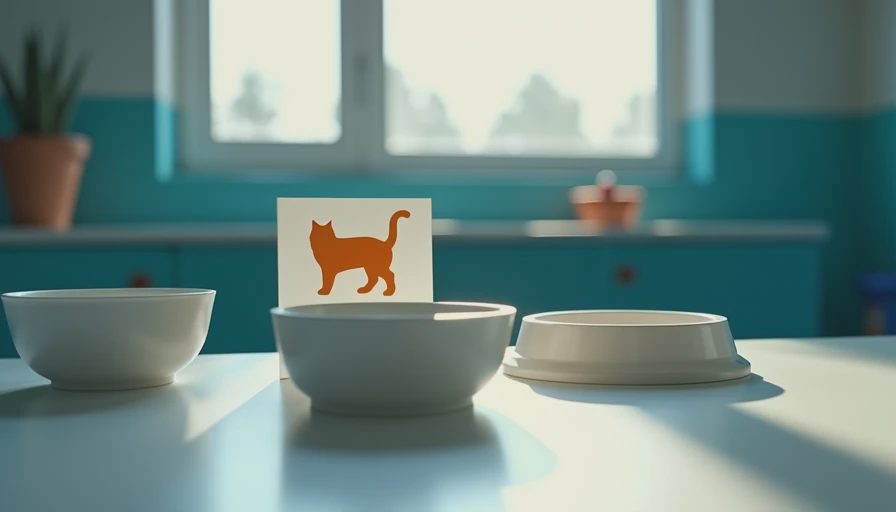
A client once set a saucer of milk on my exam-room floor and asked, with genuine worry, “Does milk kill cats?” Her elderly tabby had lapped up several tablespoons while breakfast was being cleared. The cat was bright, breathing normally, and already asking for more food. This was not a poisoning emergency. It was a nutrition question with a very ordinary answer: cow’s milk usually does not kill cats, but it can make some cats sick.
Why milk upsets many cats
Most cats lose much of their ability to digest lactose after weaning. Lactose is the sugar in milk, and digesting it requires an enzyme called lactase. Kittens produce more lactase while nursing. As they mature and switch to solid food, lactase production commonly declines. The undigested lactose then remains in the intestine, where it draws in water and is fermented by gut bacteria.
The result can be loose stool, gas, bloating, stomach noises, or vomiting. Symptoms often begin within several hours of drinking milk, although timing varies. A cat that steals a few licks may have no reaction at all. Another cat may develop diarrhea after only a small bowl. Body size, individual tolerance, the amount consumed, and whether the milk was mixed with rich food all matter.
So, does milk kill cats in the usual household situation? No. Plain cow’s milk is generally a digestive problem rather than a poison. It is also not a useful source of complete nutrition for an adult cat. Milk contains calories but does not provide the balanced protein, taurine, vitamins, and minerals found in a properly formulated feline diet.

When milk becomes a genuine concern
Milk itself is rarely fatal, but the aftermath can become serious in a small, dehydrated, or medically fragile cat. Repeated vomiting or watery diarrhea can remove fluids and electrolytes, especially in a kitten. A cat with diabetes, kidney disease, inflammatory bowel disease, or another chronic condition may also have less reserve when gastrointestinal signs develop.
The practical question is not just does milk kill cats; it is what is happening to this particular cat right now. Call your veterinarian promptly if vomiting continues, diarrhea is frequent or bloody, the cat refuses water, seems painful, becomes unusually quiet, or has pale or sticky gums. Kittens, senior cats, and cats with known illness deserve a lower threshold for a phone call.
At home, remove the milk and provide fresh water. Do not give human anti-diarrheal medicine, Pepto-Bismol, pain relievers, or leftover prescription drugs. Some human products are unsafe for cats, and masking symptoms can delay proper treatment. If the cat is comfortable and has one mild episode, observation and a normal diet in small portions are often more sensible than an expensive emergency visit. If signs worsen, the chart—not an internet rumor—should guide the next step.
What about cream, cheese, and cat milk?
Cream and ice cream are not automatically safer. They usually contain less lactose per spoonful than milk, but their high fat content can cause stomach upset and add unnecessary calories. Some ice cream products contain chocolate, coffee, raisins, or sugar-free sweeteners, creating a separate ingredient concern. Read the label rather than assuming a dessert is harmless because it is dairy.
Many cats tolerate small pieces of hard cheese better than a saucer of milk because hard cheese contains less lactose. That does not make cheese a health food. Treats should remain a small part of the daily calorie budget, and salty or heavily seasoned products are poor choices. Cheese also becomes a problem when it replaces a balanced meal or encourages weight gain.
Commercial “cat milk” products are usually lactose-reduced or lactose-free. They may be safer for a cat that enjoys the taste, but safer does not mean necessary. Compare the calories on the package with your cat’s daily allowance. A few tablespoons can matter for a ten-pound indoor cat, particularly if treats are already part of the routine. Water remains the best everyday drink.
Kittens need a different answer
A nursing kitten should receive its mother’s milk whenever possible. If the mother is unavailable, use a commercial kitten milk replacer made specifically for cats and follow the mixing and feeding instructions. Cow’s milk does not match a kitten’s nutritional needs; it is too low in several key nutrients and can cause diarrhea that leaves a young kitten dehydrated.
This is where the question does milk kill cats needs more careful context. A few accidental licks do not mean a kitten is doomed, but feeding cow’s milk as a substitute for formula can lead to poor growth and illness. Very young kittens also need help staying warm and may need frequent feeds. Contact a veterinarian or reputable animal rescue promptly rather than improvising with infant formula, goat milk, or a homemade recipe.
If a kitten has already had cow’s milk, monitor appetite, energy, stool, and hydration. A kitten that is cold, weak, crying continuously, vomiting, or refusing formula needs urgent veterinary guidance. Young animals can deteriorate faster than healthy adults, so waiting several days is not a good experiment.
What to do after your cat drinks milk
First, estimate the amount and note the time. A few licks, a tablespoon, and an entire bowl represent different exposures, although none should be treated as a toxic dose of plain milk. Check the container for additional ingredients if the drink was flavored or part of a dessert.
Next, watch for vomiting, diarrhea, gas, reduced appetite, and changes in energy over the next day. Keep water available and avoid offering more dairy to “test” tolerance. Do not force water or food into a nauseated cat. Clean any diarrhea promptly and note how often it occurs; that information helps a veterinarian decide whether supportive care, a fecal test, or further diagnostics are appropriate.
If the cat remains comfortable, eats normally, and has no symptoms, there is usually nothing more to do. Ask your veterinarian about a sensible treat plan at the next appointment, especially if your cat has a prescription diet or chronic disease. For cats that repeatedly develop diarrhea after dairy, simply skip it. There is no health benefit worth making your cat uncomfortable.
The exam-room answer
Does milk kill cats? Plain cow’s milk usually does not, but it can cause digestive upset, and it is not an appropriate replacement for kitten formula or fresh water. The affordable, effective choice is to remove dairy, monitor a healthy adult after a small accidental exposure, and call when symptoms are persistent, severe, or affecting a vulnerable kitten.
I have seen plenty of cats happily drink milk and suffer no obvious consequence, just as I have treated cats with diarrhea after a few laps. Individual tolerance is real, but it is not a reason to build a diet around dairy. Let the chart do the talking: observe the cat in front of you, not the cartoon image of a cat with a saucer.
If your cat has just had milk, put down fresh water, record any symptoms, and contact your veterinarian if the cat becomes sick or stops eating.



No letters yet — be the first to write.