A Labrador sits stiffly on the exam-room floor, staring at another dog through the glass door. His owner asks the question I hear regularly: will neutering a dog stop aggression? The honest answer is sometimes, but not reliably, and it depends on what is driving the behavior. Neutering can reduce certain hormone-influenced behaviors, especially roaming, urine marking, mounting, and some competition between male dogs. It is not a universal treatment for fear, pain, poor socialization, or learned biting.
That distinction matters because expecting surgery to solve every aggressive behavior can leave a family unprepared. Neutering is one tool in a larger plan. The first step is identifying the type of aggression, when it occurs, and whether a medical problem is adding fuel to the fire.
What neutering can change
Testosterone can influence competition, mate-seeking, roaming, and some forms of male-to-male conflict. After neutering, testosterone levels fall, but behavior does not reset overnight. A dog may continue a habit that has been practiced for months or years. Hormone-related behaviors often improve gradually over several weeks, and some dogs show only a partial change.
This is why the answer to will neutering a dog stop aggression is more encouraging for a mature male who threatens other male dogs near females in heat than for a dog who snaps whenever someone reaches toward his food bowl. The first situation may have a reproductive or competitive component. The second may involve resource guarding, anxiety, or a learned strategy that has worked before.
Neutering may also reduce frustration associated with finding a mate. That can make training easier, particularly when a dog is pacing, vocalizing, escaping the yard, or fixating on nearby dogs. Still, a calmer hormone profile does not replace management. Fences, leashes, doors, and careful introductions remain necessary while you evaluate progress.

What neutering usually does not fix
Fear-based aggression is the important example. A dog that lunges at strangers may be trying to create distance, not establish dominance or seek a mate. Neutering does not teach that dog strangers are safe. In some anxious dogs, sudden changes in routine or handling can make behavior harder to interpret during recovery, so the household should stay predictable and quiet.
Pain can also look like aggression. Dental disease, arthritis, ear infections, skin irritation, and abdominal discomfort can make a normally friendly dog growl when touched. In older dogs, vision loss, hearing loss, cognitive changes, or neurological disease deserve consideration. Before deciding that surgery is the answer, your veterinarian should ask about appetite, sleep, mobility, elimination, and the exact circumstances of each incident.
The same reasoning applies to female dogs. Spaying prevents heat cycles and pregnancy and can remove some reproductive tension, but it is not a guaranteed treatment for fear, guarding, or conflict with another household dog. Sex, breed, age, and surgical timing all matter less than the individual behavior history.
Let the chart do the talking
At an appointment, I want a description more useful than “he is aggressive.” Write down who was present, what happened immediately before the incident, the distance between the dog and the trigger, body language, and what ended the episode. A short video from a safe distance can help, but do not stage a confrontation to obtain one.
We also ask about bite severity. A warning growl and a puncture wound are not the same risk, even though both deserve attention. Note whether the dog froze, stared, tucked his tail, raised his hackles, redirected toward a person, or recovered quickly after the trigger left. These details help separate fear, guarding, frustration, territorial behavior, and possible medical discomfort.
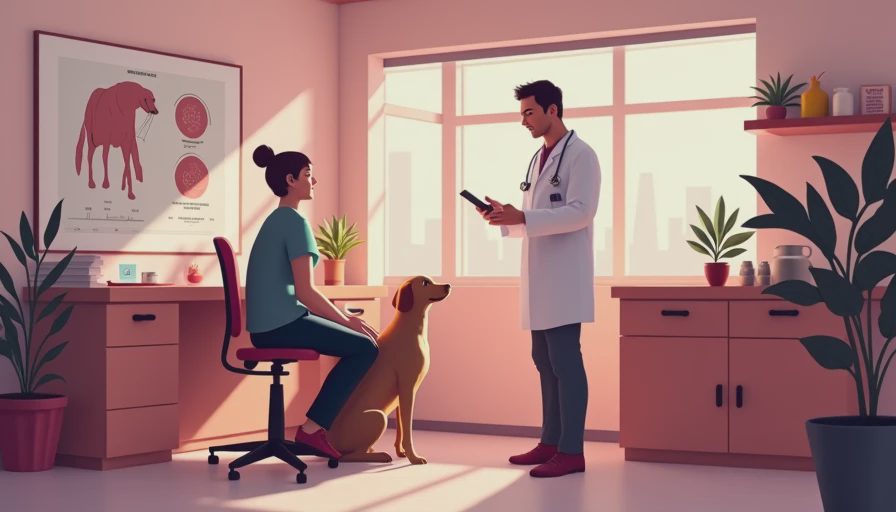
If you are asking will neutering a dog stop aggression before scheduling surgery, bring this written history to your veterinarian. The affordable first step is often a physical examination and a practical safety plan. Depending on findings, blood testing, orthopedic evaluation, dental treatment, or referral to a veterinary behaviorist may be appropriate. A behaviorist can diagnose patterns and design a treatment plan; a general trainer can help teach skills, but serious biting needs professional oversight.
Building a safer behavior plan
Management comes before training. Use a secure leash and well-fitted harness outdoors. Separate dogs during meals and high-value chew time. Install a baby gate if visitors trigger barking or charging. Do not punish growling; it is an early warning that gives you a chance to create distance. Suppressing the warning without changing the emotion can make an eventual bite less predictable.
Next, teach replacement behaviors with rewards. A dog who reacts to dogs across the street might learn to look at the handler, take a treat, and turn away before reaching the point of lunging. Begin far enough from the trigger that the dog can still eat and respond. Short sessions, repeated several times weekly, are more useful than one exhausting drill.
A basket muzzle, introduced gradually with food, can add protection for a dog with a bite history. It should allow panting, drinking, and taking treats. It is not permission to force close contact, and it does not replace supervision. Medication can be helpful for some dogs with severe anxiety, but it works best alongside behavior modification and regular follow-up.
Timing, recovery, and realistic expectations
Discuss timing with your veterinarian rather than choosing a date based on an online rule. The decision can include age, size, breed-related health considerations, reproductive plans, household risks, and behavior. Neutering is a routine procedure, but anesthesia and recovery still require sensible precautions. Keep activity restricted as directed, prevent licking, and call the clinic for concerning swelling, discharge, persistent vomiting, or unusual lethargy.
Behavior changes should be tracked rather than guessed. Record triggers and intensity for several weeks before surgery if possible, then continue the same log during recovery. Look for fewer marking episodes, less roaming, shorter arousal periods, or improved ability to disengage. Do not count on an immediate personality change, and do not stop training because the dog has been neutered.
So, will neutering a dog stop aggression? It can reduce aggression when reproductive hormones are part of the picture, especially in some intact males, but it is unlikely to resolve fear, pain, guarding, or a rehearsed response by itself. The safest plan combines a veterinary examination, sensible management, reward-based training, and surgery when it fits that particular dog.
If your dog has bitten someone, is escalating quickly, or cannot be safely handled, separate him from triggers and contact your veterinarian today for a behavior and safety plan.




No letters yet — be the first to write.