The orange cat was asleep on a stack of folded towels when I arrived for morning rounds. He opened one eye, watched me weigh a nervous terrier, and went back to sleep. By noon, he had inspected three carriers, accepted a treat from a child, and settled beside the reception desk. Those are the moments behind many clinic cat stories: small, ordinary scenes that reveal a surprising amount about feline behavior, stress, and trust.
I have worked with cats for 16 years, and I have learned that a clinic cat is not simply a cat who happens to live at a veterinary hospital. These animals develop routines, preferences, and ways of communicating. They also teach the rest of us to slow down. A cat who hides is not being difficult, and a cat who approaches is not automatically comfortable. Let the chart do the talking, but watch the body language, too.
Why Clinic Cats Become Part of the Team
A good clinic cat usually has a steady temperament, a tolerance for noise, and the ability to retreat when the room becomes busy. That last point matters. Even a friendly cat needs control over distance. At our practice, a clinic cat has access to high shelves, quiet rooms, food, water, and a carrier that remains open. Nobody drags the cat out to entertain visitors.
The best clinic cat stories often begin with a practical problem. A stray may arrive for treatment and gradually become comfortable around people. A staff member may bring in a cat who cannot live safely with other household pets. Sometimes the cat simply chooses the building. Cats are remarkably good at finding warm, predictable places with reliable meals.
Still, friendliness is not the same as wellness. A cat can purr while painful, eat while nauseated, or sit quietly while frightened. Veterinary teams monitor weight, appetite, litter box habits, coat condition, and behavior changes. Those simple observations often identify trouble earlier than a dramatic symptom does.

Reading a Cat’s Body Language in the Exam Room
One reason clinic cat stories are useful is that they make subtle signals easier to notice. A relaxed cat has a loose posture, normal breathing, ears that move naturally, and eyes that are not fixed wide open. A stressed cat may crouch low, flatten the ears, tuck the tail, lick the lips, or stare toward the nearest hiding place. Some cats freeze instead of struggling. Stillness is not always calm.
When I examine a worried cat, I start with the least invasive step that can answer the question. That may mean observing from across the room, offering a towel, or allowing a few minutes for the cat to investigate the scale. A temperature, blood sample, or full physical examination may still be necessary, but the order and pace can change the experience.
At home, owners can use the same approach. Put the carrier out several days before an appointment. Add a familiar blanket and a few treats. Avoid chasing the cat through the house at the last minute. A carrier that represents safety is much easier to use than one that appears only before a frightening car ride.
Health Lessons Hidden in Everyday Behavior
Several clinic cat stories have involved signs that owners initially dismissed as personality. A cat who stops jumping onto the sofa may have arthritis. A cat who starts drinking from the bathtub may be drinking more overall. A cat who becomes unusually social may be seeking comfort because something feels wrong.
The affordable first step is a written baseline. Record your cat’s approximate weight, normal appetite, water habits, litter box routine, grooming, and favorite activities. A bathroom scale can help with smaller cats if you weigh yourself, then weigh yourself while holding the cat. It is not as precise as a veterinary scale, but a trend can still be useful.
The next step depends on what changes. A physical examination may be enough for a minor concern. Blood work, urine testing, dental imaging, or blood pressure measurement can add information when the history points in that direction. I would rather explain why a test is unnecessary than order a large panel without a clear question.
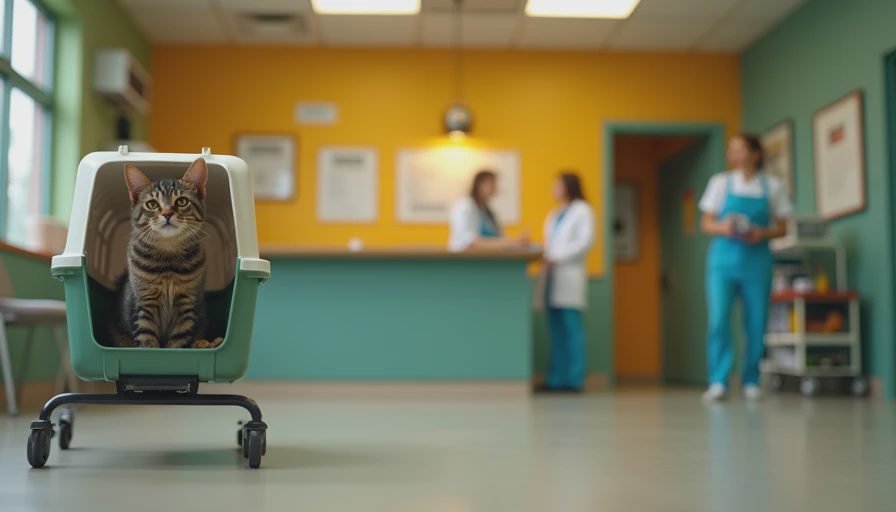
What Clinic Cats Teach Us About Preventive Care
Clinic cat stories also show why prevention is less dramatic than emergency treatment. Indoor cats still need routine examinations, parasite risk assessment, vaccination decisions based on lifestyle, and dental evaluation. Indoor living reduces some hazards, but it does not eliminate obesity, kidney disease, dental pain, urinary problems, or age-related changes.
Nutrition is another area where simple beats flashy. Most healthy adult cats do well on a complete and balanced commercial diet, offered in measured portions. Some cats need a prescription diet for a documented medical reason, but expensive supplements are not a substitute for diagnosis. Fresh water, clean bowls, and a predictable feeding schedule often accomplish more than a cabinet full of products.
At home, provide hiding spaces and vertical options, especially in a multi-cat household. One cat may prefer a cardboard box while another wants a window perch. Give each cat access to food, water, resting areas, and litter boxes without forcing constant competition. Stress can show up as urine marking, overgrooming, conflict, or withdrawal.
A Practical Appointment Plan for Your Cat
Before the visit, write down the reason for the appointment in one sentence. Include when the change began, whether it is getting worse, and what is normal for your cat. Bring medication bottles or clear photographs of labels. If the problem involves coughing, odd movement, vomiting, or a litter box behavior, record a short video when it is safe to do so.
Ask the veterinarian what the most likely explanations are, what finding would change the plan, and which test is the best first step. If money is tight, say so at the beginning. A thoughtful veterinarian can often present a staged plan: examination first, focused testing second, and advanced diagnostics only when the results justify them. That is not cutting corners; it is using information in the right order.
Transport the cat in a secure carrier. Keep the car quiet and avoid opening the carrier outdoors or in a parking lot. A towel over part of the carrier can reduce visual stimulation, provided airflow remains clear. After the appointment, give the cat a quiet room and follow medication instructions exactly.
The Quiet Wisdom of Clinic Cats
The most memorable clinic cat stories are rarely about spectacular rescues. They are about an animal sleeping through a blood draw discussion, greeting a grieving owner, or reminding an exhausted staff member to take a breath. Cats make their needs known in quiet ways, and our job is to become better listeners.
If your cat changes behavior, do not panic and do not ignore it. Start with a calm observation, compare the change with your baseline, and contact your veterinary team when the pattern persists or your cat seems unwell. Bring the chart, the video, and the details. A clear history is often the most valuable diagnostic tool you can provide.
Clinic cat stories are really lessons in patience: watch closely, reduce unnecessary stress, and let evidence guide the next step.


No letters yet — be the first to write.