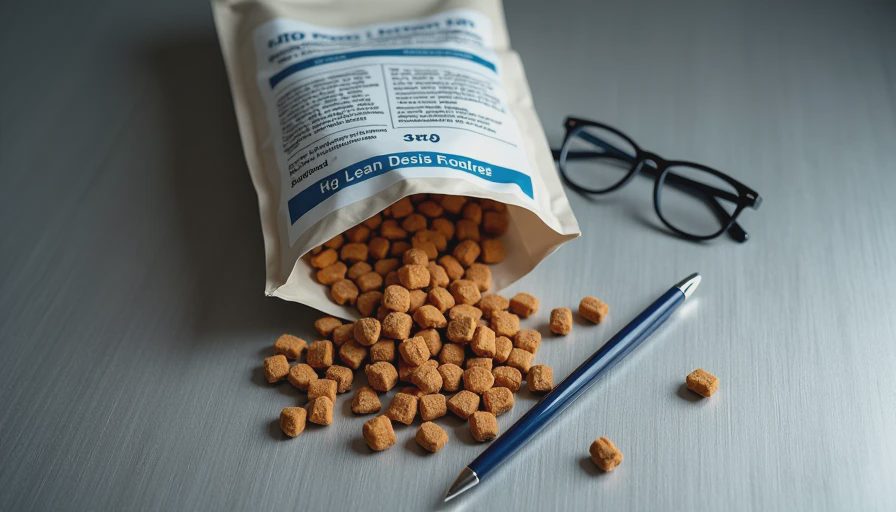
The Bag That Promises Everything
Walk down any pet-food aisle and you will be told your dog or cat can have a longer life, shinier coat, better joints, calmer behavior, and possibly a small cape. The front of the bag is a masterpiece of marketing. The back of the bag is where the actual information lives.
After sixteen years of reading these labels with clients and looking at the patients who eat the food, I have a simple method. It takes less than two minutes once you know the order. No nutrition degree required. Just a willingness to ignore the pretty pictures and start at the right place.
Step 1: Flip the Bag Over Immediately
Do not negotiate with the front. “Grain-free,” “holistic,” “ancestral,” “human-grade,” “veterinarian recommended,” and “farm-raised” are not regulated terms with consistent meanings. They are sales language. The legally required information is on the back or side panel. Start there every time.
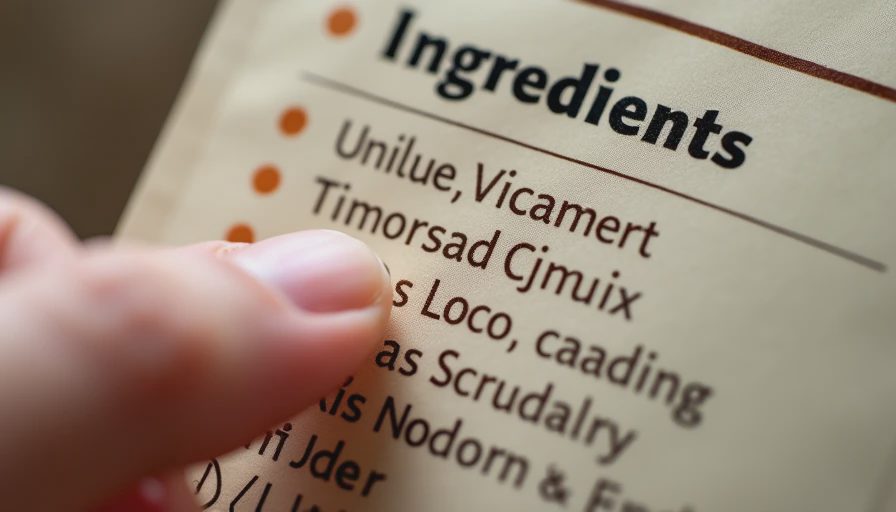
Step 2: Find the Ingredient List and Read the First Five
Ingredients are listed by weight before cooking. The first five usually tell the real story.
Look for a clearly named animal protein source high in the list (chicken, beef, salmon, etc.).
Be cautious when the first several ingredients are fractions of the same food (chicken, chicken meal, chicken by-product meal) designed to make meat look more dominant than it is.
Note the carbohydrate sources. Rice, barley, oats, and potatoes are common. Peas, lentils, and chickpeas appear frequently in grain-free formulas—remember the earlier conversation about diet-associated DCM signals.
A named meat or meat meal in the top two or three positions is generally a positive sign. A long string of plant proteins and fractions pushing the first clear animal source further down is less ideal for most dogs and cats.
Step 3: Check the Guaranteed Analysis (But Don’t Stop There)
The guaranteed analysis gives minimum crude protein and fat, maximum crude fiber and moisture. Useful, but incomplete. It does not tell you protein quality or digestibility. A food can hit high protein numbers with plant concentrates that are less bioavailable for cats and dogs.
Dry foods will show lower moisture (usually around 10%). Canned foods show much higher moisture (75%+). That is normal and expected—just remember you are paying for water in canned food, which can still be a good trade-off for hydration.
Step 4: Look for the Nutritional Adequacy Statement
This is the quiet sentence most people skip. It should say the food is formulated to meet AAFCO nutrient profiles for a specific life stage (adult maintenance, growth, all life stages, etc.) or that feeding trials were conducted.
“Formulated to meet” means the recipe was built on paper to hit the numbers.
“Feeding tests” or “feeding trials” means real animals ate the food under controlled conditions. Feeding-trial statements are stronger evidence.
If the statement is missing or only says the food is for “intermittent or supplemental feeding,” it is not a complete diet.
Step 5: Scan for the Manufacturer’s Information and Calorie Content
Responsible companies list a real phone number or website and often the manufacturing location. Calorie content (kcal per cup or can) matters more than most owners realize. Two foods with similar protein percentages can have very different energy densities. That difference shows up on the scale three months later.
Common Marketing Traps I See Every Week
“Grain-free” as a health halo.
Some dogs do fine on grain-free diets. Others do better on well-formulated grain-inclusive foods. The presence or absence of grain is not automatically a quality marker. Look at the overall formulation and the individual animal.
“Human-grade” and “organic.”
These terms have specific meanings but do not automatically equal better nutrition for a dog or cat. An organic cookie is still a cookie.
Boutique, exotic, or very limited-ingredient claims.
Novel proteins and limited ingredients have a legitimate place for true food allergies (which are less common than most people think). They are not inherently superior for the average healthy pet.
Veterinary endorsement language.
Unless the food is a therapeutic diet sold through clinics and backed by clinical research, “recommended by veterinarians” is usually a paid or selective claim.
How I Apply This in Real Appointments
When a client asks what I feed my own dogs or what I recommend, I do not hand them a brand loyalty card. I hand them a method:
Named animal protein high on the list.
Complete and balanced AAFCO statement for the right life stage.
Company that employs veterinary nutritionists and conducts or sponsors research.
Calorie content that matches the pet’s actual needs.
The individual animal’s response—stool quality, weight trend, coat, energy—after a transition period.
Price is not a perfect proxy for quality, but extremely cheap food is often cheap for a reason. Extremely expensive food is sometimes expensive for marketing reasons. The middle, well-documented path is where most of my long-term healthy patients live.
A Quick Kitchen-Floor Exercise
Next time you open a new bag, take a photo of the ingredient list and the nutritional adequacy statement. Keep it in a note on your phone. When the next bag looks different or a new trend hits social media, you already have a baseline. Compare the actual panels instead of the front-of-bag stories.
If your pet has a medical condition—kidney disease, bladder stones, severe allergies, pancreatitis—the conversation changes and we move into therapeutic diets. For healthy dogs and cats, the method above keeps you grounded.
Marketing will keep evolving. The physiology of dogs and cats changes much more slowly. Read the panel that is required by law, watch the patient in front of you, and let the real data lead.
Let the chart—and the ingredient list—do the talking.



No letters yet — be the first to write.