A Labrador mix on my schedule last week had the usual story: soft stool, extra gas, and a couple of mornings with lip-licking and bile on the rug. The owner had already tried three bags of food and a probiotic from the pet store. That is the point where dog food for sensitive stomach starts to sound like a mystery product instead of a plan. In the exam room, I keep it simpler. First, figure out whether we are dealing with a one-off upset or a real pattern. Then choose a diet that is easy to digest, consistent, and boring in the best possible way.
What a sensitive stomach really means
When people say a dog has a sensitive stomach, they usually mean one of three things: soft stool, intermittent vomiting, or a dog that seems fine on one diet and miserable on another. That label is not a diagnosis. It is a description. The chart might point to diet intolerance, a fast food switch, eating table scraps, parasites, pancreatitis, inflammatory bowel disease, or something as simple as too many rich treats.
Here is the part that saves money. If a dog is otherwise bright, eating, and not losing weight, I usually start with the cheapest sensible fix before jumping to a big workup. That means looking at the entire menu, not just the kibble bag. Cheese cubes, rawhides, fatty leftovers, bully sticks, and constant treat rotation can undo a good diet in a hurry. A lot of owners are surprised that the problem is not the main meal at all.
What to look for on the label
When I suggest dog food for sensitive stomach, I want three things first: digestibility, consistency, and a protein source the dog has tolerated before. A food with moderate fat, decent fiber, and a simple ingredient list is often a good starting point. You do not need a boutique bag with a mountain scene on it. You need a formula that is designed to be gentle and that your dog will actually eat every day.
For over-the-counter options, I see a lot of dogs do well on Purina Pro Plan Sensitive Skin and Stomach, Hill's Science Diet Sensitive Stomach & Skin, Royal Canin Digestive Care, or Iams Advanced Health Digestive Care. Those are not magic. They are just established diets with a track record. When people ask about grain-free, I usually do not lead there. Grain-free is not a fix for an upset stomach, and for most dogs it is not the first move I would make.
If the problem keeps coming back, the next step is often a prescription gastrointestinal diet or a hydrolyzed protein diet. Those cost more, but they are more controlled, which matters when you are trying to figure out whether the issue is the food itself or an ingredient in the food. A good diet trial is not a weekend experiment. It is a real test.
How to switch without causing another flare-up
A lot of well-meaning owners sabotage the new bag by changing too fast. The gut likes routine. If the dog is stable enough to do a gradual switch, I usually recommend mixing the old and new food over about seven days. Start with mostly old food, then increase the new food a little each day. For a dog with a very cranky stomach, I may go even slower.
The same idea applies to treats. During a diet trial, keep the extras boring. Use a few pieces of the new kibble, plain cooked chicken, or a simple training treat that matches the protein base if your vet asks for that. Do not rotate flavors every other day. Do not test the new food alongside a new dental chew, a new marrow bone, and a new supplement. You want one variable at a time.
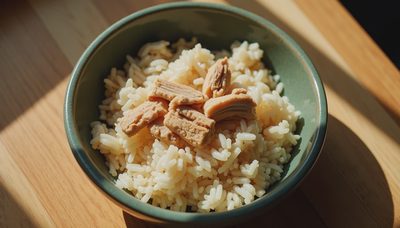
Boiled chicken and white rice can help for a day or two if a dog has a mild upset stomach, but it is not a complete long-term diet. It is a bridge, not a destination.

When food is only part of the answer
Here’s what the chart actually says: if a dog has repeated vomiting, weight loss, blood in the stool, a painful belly, or diarrhea that keeps coming back, I stop treating it like a simple food question. At that point, I want more information. A fecal test is cheap and often worth doing. Depending on the pattern, I may also recommend a dewormer, bloodwork, or an abdominal ultrasound.
That is not me upselling. It is me not missing the boring but important stuff. Giardia, whipworms, pancreatitis, and chronic enteropathy can look a lot like a food sensitivity at home. I have also seen dogs improve for a week on a new diet and then crash again because the underlying issue was never the food in the first place. A better diet helps, but it does not replace a diagnosis when the signs are persistent.
A practical shopping plan that works in real life
If you are standing in the aisle trying to choose dog food for sensitive stomach, start with your budget and your dog's history. If the dog has done well on chicken before, a chicken-based sensitive stomach formula can be a reasonable place to start. If chicken has been part of the problem, I would look for a different protein or a hydrolyzed prescription option. If the dog is a notorious treat hound, buy the food first and clear the pantry later.
I like giving owners a simple rule: pick one food, feed only that food for two to three weeks, and keep notes on stool, vomiting, gas, and appetite. That sounds basic because it is basic. Basic is good when the stomach is involved. The owner who tracks the day-to-day pattern usually gets to the answer faster than the owner who keeps changing products every four days.
For a lot of dogs, the win is not dramatic. It is fewer midnight cleanups, less gurgling after meals, and a stool that finally looks like stool. That is a very good outcome.

What I would tell a friend before they buy the next bag
If this were my own dog, I would start with a reputable, easy-to-digest formula, strip out the extra treats for a couple of weeks, and give the gut a fair chance to settle. If that works, great. If it does not, I would not keep shopping by instinct. I would bring the dog in, review the diet history, and decide whether we need fecal testing, bloodwork, or a prescription diet trial.
The goal is not to find the fanciest food. The goal is to find the food that lets the dog feel normal again. Let the chart do the talking, and if the stomach keeps acting up, call your vet before you buy another bag.


No letters yet — be the first to write.