A dog comes in circling the water bowl, asking to go out every hour, and leaving tiny wet spots around the house. That is the kind of visit that makes people think dog urinary tract infection right away, and sometimes they are right. Other times the problem is a bladder stone, incontinence, diabetes, or just a dog that is uncomfortable for a different reason. In the exam room, I do not start with drama. I start with the pattern: how often the dog is trying to pee, whether there is blood, whether the stream is weak, and whether the dog seems otherwise normal. That first conversation usually tells me where to spend the money and where not to.
When a dog urinary tract infection is the likely problem
The classic signs are pretty plain. A dog may squat often, pass only a small amount of urine, lick at the genitals, have accidents indoors, or seem to strain without producing much. Blood in the urine can happen too, and owners understandably notice that fast. What matters most is whether the dog still feels okay overall. If a dog is bright, eating, and drinking, this is usually a same-day or next-day visit rather than a midnight emergency. If the dog is trying to urinate but nothing is coming out, that is different. A blocked male dog, or any dog with a painful, tight belly and repeated failed attempts, needs urgent care.
Not every urinary problem is infection. Female dogs can have leakage from a weak sphincter. Both sexes can have stones that irritate the bladder lining. Some dogs with diabetes or Cushing’s disease drink and pee a lot because of the underlying hormone problem, not because the bladder is infected. That is why I like to ask about appetite, thirst, weight, and activity before I talk about antibiotics. The pattern helps separate a simple bladder problem from something that needs bloodwork or imaging. That is also where owners save money. Treating the wrong problem for a week is more expensive than doing the right test once.
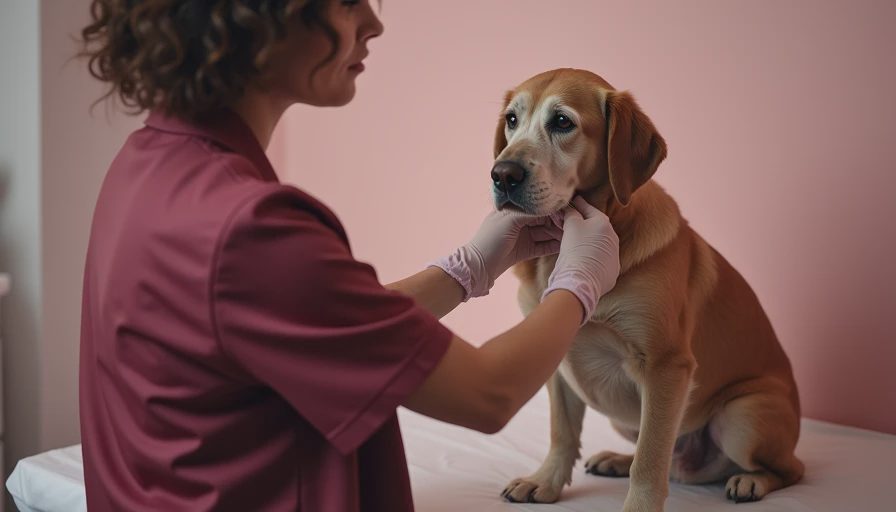
What I look for on the first visit
Here is what the chart actually says: the cheapest useful test is usually a urinalysis, and the most useful sample is often taken directly from the bladder with a needle. That sounds scarier than it is. Cystocentesis is quick, the dog usually tolerates it well, and it gives a cleaner sample than a cup caught in the hallway. A full urinalysis lets me see whether there are white blood cells, bacteria, blood, crystals, and how concentrated the urine is. In many clinics, that test runs somewhere around $50 to $120, while a urine culture can add another $150 to $250. I would rather pay for the right test than guess at three different antibiotics.
A culture matters most when the infection keeps coming back, the dog has already had antibiotics, the dog is a male, or the story just does not fit a simple case. Culture tells me which bacteria grew and which drugs should work against it. A dipstick alone is not enough. It can miss important clues and it cannot tell me whether the bacteria are truly there or just from contamination. If I suspect stones or another underlying issue, I may add an x-ray or ultrasound, and sometimes a basic blood panel if the dog seems sick or is drinking unusually large amounts of water.
What treatment usually looks like
For an uncomplicated case, treatment usually starts with an antibiotic chosen for the likely bacteria and then adjusted if the culture says otherwise. I like the affordable plan first, which means using the narrowest reasonable drug and the shortest sensible course rather than throwing the biggest medicine at the problem. Depending on the case, a dog might also get pain relief or a bladder-soothing medication. If the dog seems uncomfortable, that is worth addressing. Straining is miserable, and pain control often makes the whole household feel better within a day or two.
Hydration matters too. More water means more flushing of the bladder, and that can help a lot while the medication is doing its job. Some dogs will drink more if you add water to kibble or feed a little canned food. If the dog keeps having accidents, do not punish it. It is peeing where it should not because something is wrong, not because it forgot house training. Finish the prescribed medication, and if your vet recommends a recheck urine test, do it. Rechecks are not busywork when the infection is stubborn or the pet has a history of relapse.
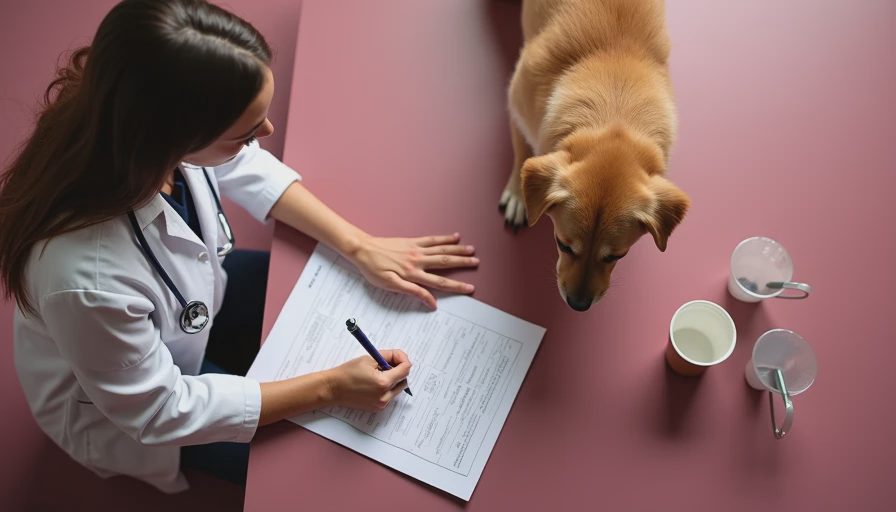
If a dog has recurrent infections, I start asking why. Stones, diabetes, Cushing’s disease, a recessed vulva, prostate disease in intact males, and occasionally anatomic issues can all set the stage. That is the point where imaging and bloodwork stop being optional and start being part of the real workup. A dog can absolutely look like it has the same infection over and over when the underlying problem has never been found. Recurrent bladder infections are one of the places where the exam room gets a little more detective work and a lot less guessing.
What you can do at home today
A few simple steps help while you wait for the appointment. Keep fresh water available. Give extra potty breaks so the bladder is not holding urine for long stretches. If the dog is long-haired, keep the rear end clean and dry. Save any urine sample your vet asks for, but do not start leftover antibiotics from a previous prescription unless a veterinarian told you to use them. Old meds can muddy the culture and make resistant bacteria harder to treat. Cranberry products get a lot of attention online, but they are not a substitute for diagnosing the problem and choosing the right drug.
If the dog has no fever, is eating, and is otherwise acting normal, that appointment can usually happen during regular hours. If the dog is vomiting, very lethargic, painful, or repeatedly trying to urinate with little or nothing coming out, do not wait. That is the kind of case I want seen the same day. A urinary issue can be simple, but it should never be ignored just because the dog is still wagging its tail.
When I worry enough to say call today
The situations that make me move faster are pretty consistent. A male dog straining with only drops of urine gets my attention. So does a dog with fever, a painful belly, cloudy or bloody urine plus lethargy, or a dog with known bladder stones, kidney disease, or diabetes. If the dog is suddenly unable to urinate, that is urgent, not routine. A quick exam, a urine test, and a plan are usually enough to get you moving in the right direction without overdoing it.
If the chart points to a dog urinary tract infection, the smartest next step is a urinalysis and a treatment plan based on the sample, not a guess.



No letters yet — be the first to write.