The first thing I do when a dog limping back leg comes into my exam room is slow the whole visit down. Not because it is automatically serious, but because the details matter: which leg, how long it has been happening, whether the dog can still bear weight, and whether the pain started after a jump, a chase, or just a normal walk around the yard. Those clues usually tell me whether we are dealing with a sore muscle, a knee injury, a paw problem, or something that needs X-rays today.
Most owners are trying to figure out whether they can watch and wait or whether they should come in right away. That is the right question. A brief limp after hard play is different from a dog that will not put the foot down at all. I have seen both turn out to be minor, and I have seen both turn out to be something that needed treatment sooner rather than later.
Why a dog limping back leg is not one diagnosis
A dog limping back leg is a symptom, not a diagnosis. The back leg has a lot of moving parts: toes, nails, pads, hock, knee, hip, muscles, ligaments, and even the lower back. A problem anywhere along that chain can change how the dog walks. That is why one family will think the issue is in the paw, while I find a torn cruciate ligament higher up at the knee.
Some of the most common causes are soft-tissue strain, a broken nail, a pad cut, a sprain from slipping on tile, a luxating patella, hip pain, and cruciate ligament disease. In younger dogs, I also think about panosteitis or an occult injury after rough play. In older dogs, arthritis and partial cruciate tears climb higher on the list. If the limp is sudden and severe, I worry more about a fracture, dislocation, or a very painful knee injury.
Here’s what the chart actually says: the story around the limp matters almost as much as the limp itself. A dog that was normal this morning and now refuses to use the leg gets a different level of urgency than a dog that has been “a little off” for three weeks.
What to do during the first 24 hours
If the dog is bright, eating, and still using the leg at least a little, the affordable first step is strict rest. That means leash walks only, no fetch, no stairs, no couch jumping, and no wrestling with the other dog in the house. I tell people to think in hours, not days: one rough day can turn a mild strain into a bigger problem.
A cold pack wrapped in a towel for 10 minutes at a time can help a fresh injury during the first day or two. After that, gentle heat sometimes feels better for sore muscles, but I would not use either if the dog seems miserable with handling. Do not give ibuprofen, naproxen, or acetaminophen unless your veterinarian specifically told you to. Those human medications can cause real trouble in dogs.
If there is a broken nail, a paw cut, or a foxtail-like irritation, the limp can improve fast once the source of pain is removed. If the dog is licking one spot on the foot, I pay closer attention to that area before I assume the knee is the problem.

What I check in the exam room
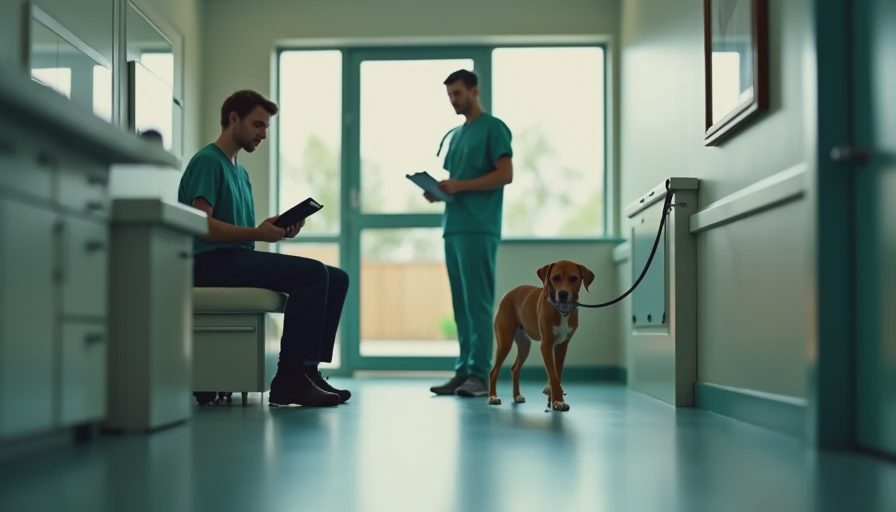
When I see a dog with hind leg lameness, I start with a hands-on exam, not a menu of tests. I watch the dog walk, feel every part of the leg, and compare one side to the other. I check the toes and nails first, because small paw injuries are easy to miss and easy to fix. Then I work upward through the ankle, knee, thigh, and hip, looking for heat, swelling, pain, instability, or reduced range of motion.
If the dog is tense, I may not get a perfect answer on the first pass. That is normal. Pain changes the exam. A frightened dog guards the leg, tightens the muscles, and makes it harder to tell whether the issue is in the knee or the hip. Sometimes I have to use light sedation so I can examine the joint properly and avoid making the dog worse by forcing it.
A lot of owners expect the diagnosis to be immediate, but the exam is really a process of elimination. A torn cruciate ligament often hurts when I move the knee in a certain way. Hip pain tends to show up when I extend the leg behind the body. A paw injury is usually obvious once the fur is parted and the foot is cleaned up.
When X-rays and bloodwork make sense
X-rays are the next step when the exam points to bone, joint, or a more stubborn injury. They are also worth it when the limp is severe, the dog is not improving, or I suspect arthritis, a fracture, or a slipped kneecap. In many clinics, a basic exam may run about $70 to $120, and X-rays can add another $200 to $500 depending on how many views are needed and whether sedation is required.
Bloodwork is not always necessary for a simple sprain, but it matters before anesthesia, before some medications, and when the dog seems ill in addition to lame. If the owner is asking why I want labs for a leg problem, I explain it this way: I am not looking for the leg injury in the blood; I am looking for the safest way to treat the dog if we need stronger pain control, sedation, or surgery.
For a dog limping back leg, imaging becomes more valuable when the limp has lasted more than a few days, when the dog is older, or when the pain does not match what I find on the surface. That is where a good exam saves money, because it helps us choose the right test instead of ordering everything.
The injuries I see most often
The single most common knee problem I see is cranial cruciate ligament disease, which is the dog version of a bad ACL. It ranges from a mild partial tear to a complete rupture. Some dogs go from “a little stiff after play” to barely touching the ground overnight. Bigger dogs usually need more aggressive treatment, and surgery is often the gold standard for long-term function. Smaller dogs can sometimes do well with rest, weight control, and medication if the tear is partial and the dog is otherwise comfortable.
Luxating patellas are another regular one, especially in smaller breeds. The kneecap slips out of place, the dog skips for a few steps, and then the leg looks normal again. That pattern confuses owners all the time. Arthritis can also cause intermittent limping that is worse after rest and better after a few minutes of moving around. In older dogs, I hear “He just got slow” before I hear “He is limping,” and that matters.
A sore back or hip can mimic a leg problem too. I have had owners point to the foot when the real pain was coming from the lower spine. If the dog yelps when picked up, seems weak in both hind legs, or has trouble standing, I worry less about a simple sprain and more about a neurologic or spinal issue.
When to stop watching and book today
If the leg is non-weight-bearing, visibly swollen, dangling oddly, cold to the touch, or the dog is crying out when it moves, that is a same-day exam. So is a limp that comes with fever, not eating, vomiting, or obvious trauma like being hit by a car. I also want to see dogs that are still lame after 24 to 48 hours of rest, because a short, painful limp can be the early version of a bigger orthopedic problem.
For milder cases, the practical plan is simple: rest, observe, and get help if the limp does not clearly improve. If you want the version I give families in the parking lot, it is this: protect the leg, do not guess with human pain medicine, and let a veterinarian decide whether this is a soft-tissue issue or something that needs X-rays.
If your dog limping back leg is still limping after a day of rest, schedule the exam and let the chart do the talking.




No letters yet — be the first to write.