The exam-room version of this question usually starts with a bag on the floor and a worried look from a family who has read 14 reviews, two forum threads, and a TikTok that made them feel behind. The good news is that the best dog food does not require a secret menu or a veterinary degree. It starts with the label, then the dog in front of me: age, body condition, stool quality, coat, allergies, and budget. A healthy Labrador and a 12-pound terrier do not need the same plan, and neither do a growing puppy and a senior with arthritis. Let the chart do the talking.
What the best dog food label actually tells me
When I say best dog food, I mean complete and balanced for the correct life stage, with an AAFCO nutritional adequacy statement on the bag or can. That matters more than the front-of-bag buzzwords. If a food says adult maintenance, it should be fed to healthy adults. If it says growth and reproduction, that is for puppies and pregnant or nursing dogs. I also look for a company that does actual nutrition research, employs veterinary nutritionists, and has a quality-control process I can explain without squinting. Purina Pro Plan, Hill's Science Diet, Royal Canin, and Iams all fit that general mold. Fancy marketing is not a nutrition plan; complete and balanced is.
For a lot of dogs, the difference between a $35 bag and a $75 bag is the amount of research and quality control behind it, not a magical ingredient. I am far more interested in whether the dog is holding weight, producing normal stool, and keeping a healthy coat than in whether the label says buffalo, ocean, farm, or ancient grain.
How age and size change the best dog food
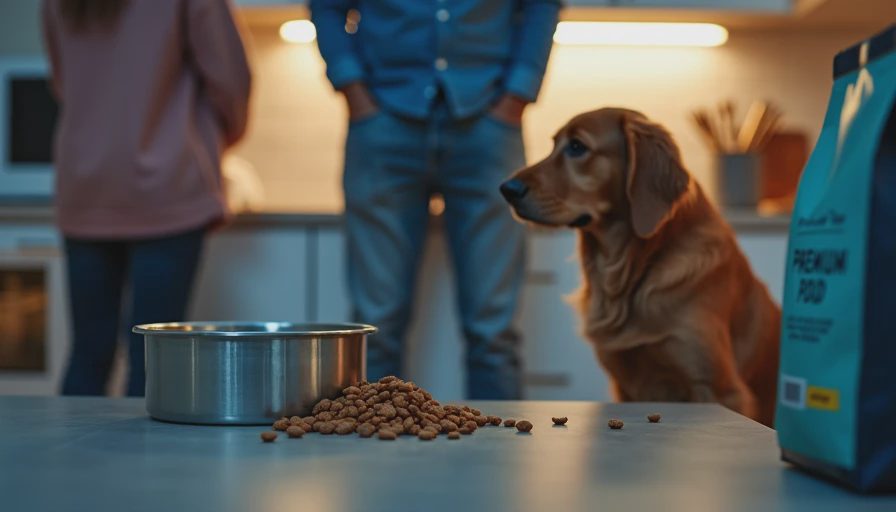
Puppies need more calories, more protein, and the right mineral balance to grow at a steady pace. For a large-breed puppy, the best dog food is usually a growth formula that controls calories and keeps calcium in a sensible range, because too-fast growth is rough on joints. Small-breed dogs often do well with smaller kibble and more calorie-dense food, simply because their stomachs are tiny and their metabolisms are not. Senior dogs do not automatically need a senior formula; many do fine on an adult diet if their weight, muscles, and labs are solid. What changes the plan is disease. A dog with kidney disease, pancreatitis, or urinary problems may need a prescription diet, and that is where the food aisle ends and the medical chart begins.
When a sensitive stomach needs a different formula
Loose stool, vomiting, or chronic ear infections can point to food intolerance or allergy, but not every upset stomach is a food allergy. I usually start with the cheap, practical move: a consistent diet, no table scraps, and a slow transition over 5 to 7 days. If the dog still has problems, then I think about a limited-ingredient or hydrolyzed protein diet. Hydrolyzed prescription foods can be expensive, often $70 to $120 for a medium bag, but they are useful when the goal is to remove nearly all dietary guesswork. A proper elimination trial usually runs 8 to 12 weeks, and it only works if every snack, chew, and pill treat follows the same rule. This is one reason the best dog food is not a single product for every dog. The right choice is the one that solves the actual problem.
Dry food, wet food, and the real price difference
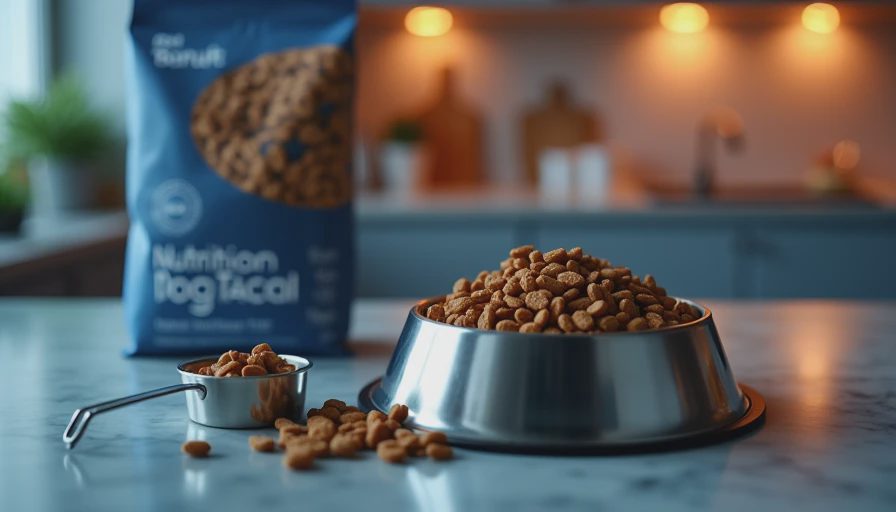
Dry food is usually easier to portion, easier to store, and cheaper per day. Canned food is often more appealing to picky eaters and can help dogs that need extra water in the diet. Both can be complete and balanced. On a real-world budget, supermarket kibble may run roughly $25 to $45 for a 30-pound bag, mid-tier vet and pet-store brands may be $45 to $85, and prescription diets can run higher. The exact number depends on your dog's size, because a 15-pound terrier eats a lot less than an 80-pound shepherd. I tell clients to look at daily cost, not bag price. A food that seems expensive can still be the cheaper choice if it reduces waste, vomiting, or buy-a-bag-replace-a-bag turnover. If a food saves you one extra bag because the dog actually finishes it and keeps it down, that matters.
Food myths I ignore
Grain-free is not automatically better, and grain-free is not automatically bad. The problem is that a marketing claim is not the same thing as a feeding trial. In recent years, veterinarians and the FDA have paid attention to reports of dilated cardiomyopathy in some dogs eating certain boutique or grain-free diets, especially when legumes or peas were heavy in the recipe. That does not mean every grain-free food is unsafe. It does mean I prefer brands with a long nutrition track record unless there is a clear reason to do something different. I am also not impressed by raw diets for the average pet owner. They carry a bigger bacteria risk for the household, and the payoff is usually harder to prove than the marketing makes it sound. If someone wants home-prepared food, I would rather see a recipe built by a veterinary nutritionist than a guess from a search result.
When I tell a client to change course
If a dog is eating well but losing weight, scratching nonstop, or having repeated diarrhea, I do not keep guessing at the shelf. I want a diet plan tied to the problem, not a better-sounding bag. That might mean a hydrolyzed prescription formula, a weight-management diet, or a joint-support diet with fewer calories and more fiber. For healthy dogs, the best dog food is the one they digest well, maintain a lean body condition on, and actually eat every day. For problem dogs, the label matters less than the diagnosis. If you want the best dog food for your dog and you are stuck between two bags, bring me the labels and let the chart do the talking.




No letters yet — be the first to write.