When people ask about arthritis medication dogs can actually stay on for months, I start with one question: what is the dog doing less of? Getting up slowly? Lagging on stairs? Skipping the ball game? In the exam room, the right answer usually starts with a prescription NSAID, not a miracle supplement, because the goal is to reduce pain enough that the dog moves again. The best plan is the one that fits the dog's kidneys, liver, appetite, and the owner's routine.
What arthritis medication dogs usually start with
For most otherwise healthy dogs, the first medication I reach for is a veterinary NSAID such as carprofen, deracoxib, firocoxib, or meloxicam. Those drugs work because they blunt the inflammation that keeps joints sore after a walk or a nap. Generic carprofen is often the budget-friendly place to start, and many dogs do well on it for years. The newer option, bedinvetmab injection (Librela), is another prescription tool for osteoarthritis pain, especially when daily pills are a struggle. I do not send a dog home on chronic pain medicine without talking through baseline bloodwork first, because the liver and kidneys are part of the decision.
The chart also tells me to look at the whole body, not just the joints. A thin, fit dog with mild hip arthritis often needs less medication than a dog carrying 10 extra pounds. Weight loss is not a magic trick, but dropping even a little extra load can make the medication work better. I also want to know whether the dog is on any other drugs, because prednisone and an NSAID do not belong together unless a veterinarian is managing a specific plan.
When I do not start with pills
There are dogs where I slow down before I prescribe. If a dog has kidney disease, a history of stomach ulcers, active vomiting, dehydration, or significant liver trouble, I may avoid an NSAID or choose a different route first. If a dog is already taking a steroid, I am careful about timing and washout periods. And because I still hear this every week, I will say it plainly: do not give ibuprofen, naproxen, or aspirin from the bathroom cabinet unless your veterinarian specifically told you to. Dogs process those drugs differently, and the margin for error is not generous.
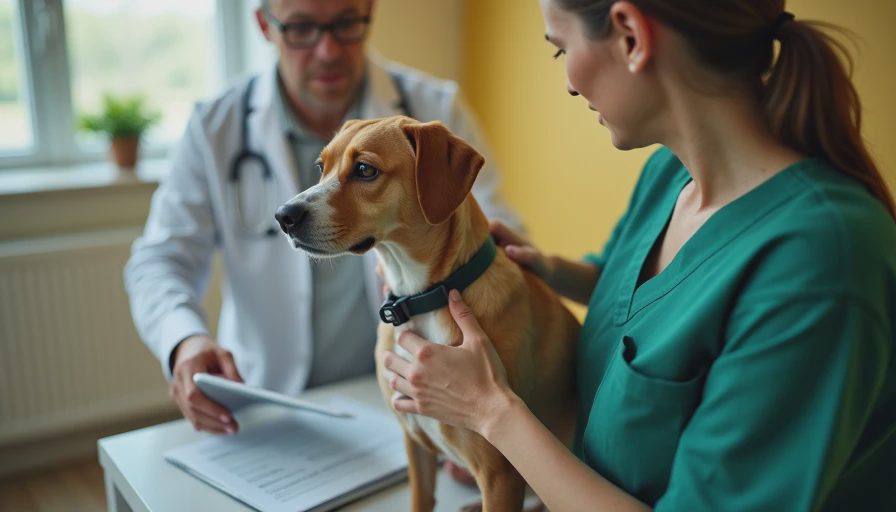
A common exam-room pattern looks like this: a middle-aged Labrador comes in because the owner thinks the dog is “just slowing down.” X-rays confirm arthritis in the hips and elbows, but the real story is pain on the couch, pain in the yard, and pain after rising from the floor. That is when a clear plan matters more than a long list of supplements. Arthritis medication dogs need should be chosen after you know whether the problem is mild, moderate, or advanced, and whether the dog can safely handle the medicine.
The rest of the pain-control ladder
When arthritis medication dogs need is only part of the picture, I add layers rather than throwing more drugs at the wall. Gabapentin can help some dogs, especially if there is a nerve-pain component or the dog seems sore at night. Amantadine is sometimes used as an add-on when pain has become harder to control. Omega-3 fatty acids can support joint comfort over time, and they are one of the few supplements I feel comfortable discussing early because the risk is low and the upside is decent. Physical rehab, underwater treadmill work, controlled leash walks, ramps, and non-slip rugs matter too. A pill can reduce pain, but it cannot fix a slippery kitchen floor.
I had a senior mixed-breed dog in the clinic last month who could barely make it up the steps. We started with carprofen, trimmed the daily treats, and added a few home changes: a ramp for the porch, a washable runner in the hallway, and shorter but more frequent walks. Three weeks later, the owner was not claiming a miracle. They were saying the dog wanted to go outside again, which is usually the better sign.
What to watch for at home
The side effects I want owners to notice early are vomiting, diarrhea, black stool, refusal to eat, sudden fatigue, increased drinking, or a dog that seems worse instead of better. Those can be signs that the drug is not agreeing with the stomach, liver, or kidneys. If that happens, I want a call the same day. In many cases the fix is to stop the medication, check lab work, and switch strategies before things get expensive. That is one reason I like baseline bloodwork before long-term treatment: it gives you a starting point.
It also helps to keep a simple log. Note the first dose date, appetite, bowel movements, stair use, and whether the dog still rises stiffly after naps. Owners are often excellent at spotting small changes when they write them down for a week. That record gives me better data than a vague memory of “maybe a little better.”

What an honest budget plan looks like
For many families, the cheapest responsible plan is not the cheapest pill; it is the plan that prevents trial and error. A basic exam often runs about $75 to $150, and baseline bloodwork may add another $100 to $200. Generic NSAIDs are usually the most affordable prescription choice, often around $20 to $60 a month depending on size and dose. Newer injectable pain control can cost more, but some owners prefer paying for a monthly visit instead of giving tablets every day. If the dog needs X-rays, a formal pain plan, or rehab, the total climbs from there.
That is why I start with the affordable option first, then build up only if the chart says the dog still hurts. For one family, that means a generic NSAID and a few home changes. For another, it means a newer injectable, extra joint support, and follow-up lab work. Either way, the goal is not to make the medical file look impressive. The goal is a dog that gets up easier, walks farther, and acts like itself again.
Questions I hear in the exam room
Does my dog need pain medicine forever? Not always, but osteoarthritis is usually a long game, not a one-week fix. Some dogs need it daily, some need it during colder months, and some need it after activity changes or surgery. Can supplements replace medication? Usually not. Omega-3s, glucosamine, and green-lipped mussel can help some dogs, but they do not replace a real pain drug when inflammation is already there. If the chart points to arthritis medication dogs can tolerate, I want the owner to think in terms of comfort, not sedation. A good plan should improve movement, not flatten personality.
The cleanest takeaway is simple: start with the safest affordable option your dog can handle, monitor closely, and adjust before the pain becomes the new normal.




No letters yet — be the first to write.