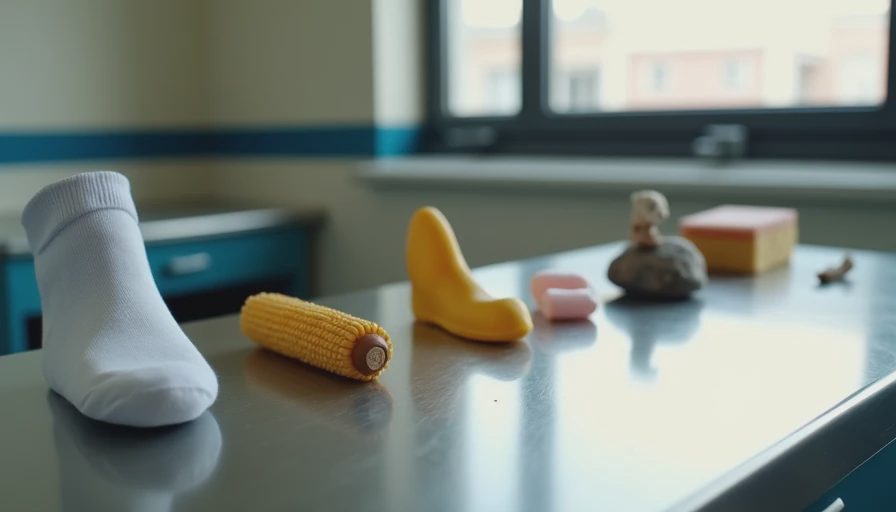
The Endoscopy Suite Keeps a Mental Scoreboard
After sixteen years I could almost stock a hardware store and a toy aisle with the things that have come out of canine stomachs. Some cases are dramatic. Most are quietly preventable. The same handful of items appears again and again, which means the same handful of habits keeps sending dogs to the clinic.
Here are the eight objects I remove most often, what the chart usually looks like when they arrive, and the practical steps that keep them out of the stomach in the first place.
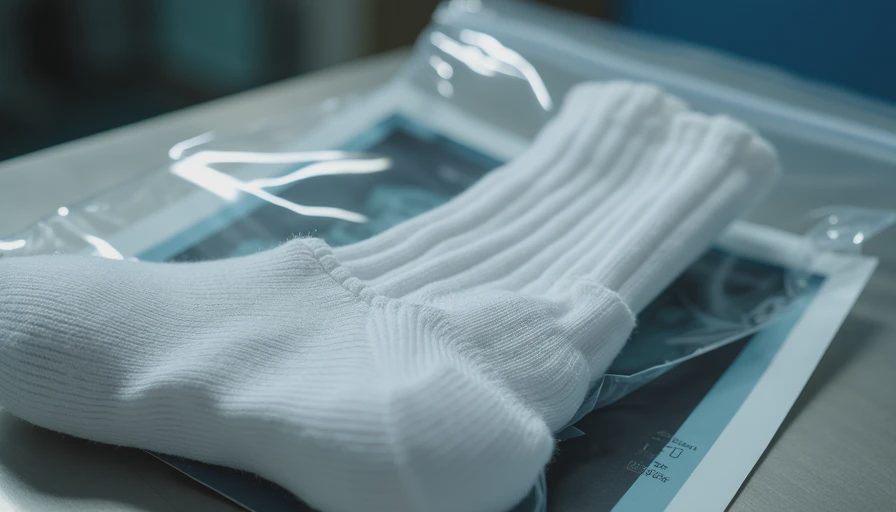
1. Socks and Underwear
The classic. Usually owned by the teenager or the laundry-folder in the house. Dogs seem to prefer ankle socks and the occasional pair of boxer briefs.
Typical presentation: Mild vomiting or just a missing sock and a slightly quieter dog. Radiographs show a soft-tissue density; endoscopy or surgery follows.
Prevention: Laundry baskets with lids. Closed closet doors. A designated “dirty clothes” zone the dog cannot access. If you have a known sock thief, treat dirty laundry like medication—out of reach.
2. Corn Cobs
They smell like food, survive chewing, and make excellent intestinal anchors.
Typical presentation: Vomiting that starts 24–48 hours after a barbecue. Obstruction risk is high because the cob does not compress or break down.
Prevention: Corn cobs go straight into a lidded outdoor trash can, not the kitchen bin. No “just this once” under-the-table treats. If you compost, make sure the dog cannot reach the pile.
3. Rawhide and Bully-Stick Fragments
The irony of giving a chew to keep a dog busy and then retrieving the pieces later is not lost on any of us.
Typical presentation: Intermittent vomiting, sometimes with visible bits in the vomit. Larger chunks can obstruct; smaller ones may pass but still cause irritation.
Prevention: Choose chews sized so the dog cannot swallow large pieces. Supervise and take the item away when it becomes small enough to gulp. For heavy chewers, switch to longer-lasting alternatives that do not fragment as easily.
4. Children’s Toys (Especially Rubber and Plastic)
Squeaky toys, action-figure limbs, and the occasional Lego brick.
Typical presentation: Often a witnessed ingestion. If not, intermittent GI signs and a very quiet history from the kids.
Prevention: Toy rotation and a “dog-proof” toy box with a lid. Teach children that anything left on the floor is fair game. For known toy destroyers, stick to vet-recommended durable toys and retire them at the first sign of damage.
5. Feminine Hygiene Products
They expand. That is the entire problem.
Typical presentation: Usually not witnessed. Progressive vomiting and abdominal discomfort. Surgery is more common than endoscopy because of the size after expansion.
Prevention: Bathroom trash cans with secure lids. This one is non-negotiable in any house with dogs and menstruating humans.
6. Rocks and Sticks
Especially common in young, enthusiastic retrievers and bored backyard dogs.
Typical presentation: Sometimes acute, sometimes chronic low-grade GI upset. Rocks show up beautifully on radiographs; sticks can perforate or create abscesses later.
Prevention: Supervised outdoor time for known rock-eaters. Redirect with appropriate toys. For chronic cases we sometimes use basket muzzles during yard time while training alternative behaviors.
7. String, Ribbon, and Dental Floss
Linear foreign bodies are in a category of their own because they can saw through intestine.
Typical presentation: Vomiting, inappetence, and sometimes a string visible under the tongue or at the rectum. These cases can turn surgical quickly.
Prevention: No ribbon on gifts left within reach. Dental floss goes in a closed cabinet, not an open trash can. Sewing and craft supplies stay off the floor.
8. Dish Sponges and Dish Towels
They smell like food residue and feel satisfying to chew.
Typical presentation: Often partial obstruction signs. Sponges can be sneaky on radiographs because they are not always obvious.
Prevention: Sponges and towels go in the sink cabinet or a closed container after use. No “quick soak” left unattended on the counter if your dog has counter-surfing skills.
The Pattern Behind the List
Almost every item above shares two traits: it was accessible, and it was interesting for longer than the three seconds it took to swallow. Prevention is less about buying special products and more about changing default habits—closing lids, supervising chews, and treating the floor as temporary storage only.
When a dog does swallow something, early information keeps options open. Note what is missing, when it disappeared, and whether the dog is still acting normally. Call before the vomiting has gone on for two days. Endoscopy is a much kinder conversation than emergency surgery at midnight.
What I Tell Owners at Discharge
We fix the immediate problem. Then we talk about the house. Most families leave with a short list of changes that cost nothing and prevent the sequel. The dogs who never come back for a second foreign body are usually the ones whose people treated the first episode as useful data instead of random bad luck.
The stomach will always be willing to accept interesting objects. Our job is to make the interesting objects harder to find.
Let the chart do the talking—and keep the socks in the hamper.


No letters yet — be the first to write.