The Moment the Invoice Hits the Counter
I can almost predict the exact expression. The dog or cat is already back on the leash or in the carrier. The hard part of the appointment is over. Then the front-desk team slides the printed invoice across the counter and the room temperature changes.
Some owners nod. Some go quiet. A few ask the question I hear every week: “Why is it this much?”
Fair question. After sixteen years of writing those invoices and co-owning the clinic that has to pay the lights, the staff, the malpractice insurance, and the digital x-ray machine, I decided it was time to answer it properly—without defensiveness and without the vague “veterinary care is expensive” shrug.
Here is a real-world breakdown of what a typical visit actually costs and where the money goes.
The Core Appointment Fee (The Part Everyone Sees First)
Most clinics charge an examination or office-visit fee. In our practice it currently sits in the mid-range for our region. That single line covers:
The veterinarian’s time for history, hands-on exam, and client communication
The veterinary technician’s time for history intake, vital signs, restraint, and patient handling
Reception and medical-record infrastructure
The physical exam room itself (rent, utilities, cleaning, equipment depreciation)
People sometimes compare it to a human primary-care copay and feel sticker shock. The difference is that veterinary practices do not have insurance companies negotiating rates downward and spreading risk across thousands of patients in the same way. The exam fee is the main way we keep the doors open for the next patient.
Diagnostics: The Lines That Add Up Fast
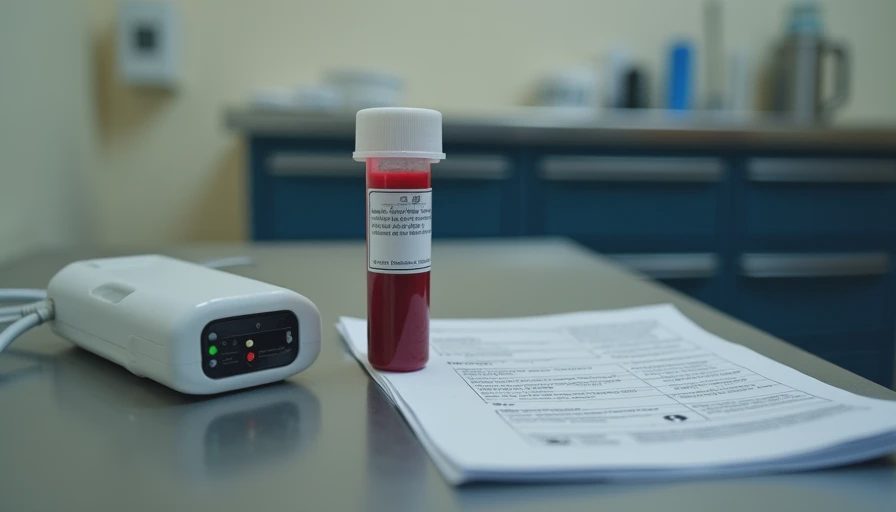
This is usually where the total climbs.
Bloodwork
A basic chemistry and complete blood count is not “just a lab fee.” It includes the cost of the analyzer or the reference-lab contract, quality-control runs, technician time to draw and process the sample, and the veterinarian’s time to interpret and explain the results. In-house machines are expensive to buy and maintain; send-out labs charge us per test. Either way, the margin is thinner than most people assume.
Imaging
Digital radiographs require a machine that costs as much as a new car, plus lead-lined walls or barriers, staff training, and software licenses. A single set of two or three views also includes the time of the people wearing the lead and the veterinarian who reads the films. Ultrasound is a different skill set and a different machine; the fee reflects both equipment and the training required to produce useful images.
Other tests
Urinalysis, fecal exams, cytology, cultures—each has consumable costs, technician time, and interpretation time. None of them are pure profit centers.
Treatments and Medications
Injectable medications, fluids, and in-clinic treatments carry both the cost of the drug itself and the cost of the person who draws it up, calculates the dose, administers it, and monitors the patient afterward. Oral medications sent home include the product cost plus the pharmacy labor of counting, labeling, and counseling.
We do not mark drugs up at luxury-goods rates. We also cannot sell them at the same price you see on some online pharmacies that do not examine the patient, maintain a medical record, or carry the liability of the prescription.
The Hidden Lines Owners Rarely Notice
These are the costs that do not appear as cleanly on the invoice but still have to be covered:
Staff wages and benefits (technicians, assistants, reception, practice manager)
Continuing education so we stay current
Malpractice and property insurance
Medical waste disposal
Software for records, reminders, and imaging
Equipment maintenance contracts
The after-hours emergency coverage that keeps a doctor reachable when the clinic is closed
A clinic that skimps on these items eventually shows it in staff turnover, outdated knowledge, or slower response times. We choose not to skimp.
Why Prices Differ Between Clinics
Not every hospital has the same cost structure. A multi-doctor practice with in-house lab equipment, digital radiology, and a full technician team has higher fixed costs than a one-doctor mobile practice. Urban and suburban rent is different from rural rent. Clinics that stay open late or see emergencies build those capabilities into their pricing.
None of that automatically means one clinic is “better” or “gouging.” It means the service level and overhead are different. Ask what is included. A lower exam fee can look attractive until you realize every single additional service is priced higher or handled off-site with delays.
How I Talk About Cost in the Exam Room
I start with the medical recommendation, not the price. Then I lay out the ladder:
Here is the minimum I am comfortable with today and what it costs.
Here is the more complete work-up if we want higher certainty.
Here are the trade-offs of waiting versus acting.
I would rather an owner choose the affordable path with open eyes than feel blindsided at the front desk. Transparency does not make the numbers smaller, but it usually makes them feel fairer.
What Owners Can Do to Keep Costs Predictable
Come in before problems become emergencies. Early care is almost always cheaper.
Ask for an estimate before major diagnostics or procedures. Good clinics provide them.
Consider pet insurance or a practice wellness plan if the math works for your household.
Keep a simple home record of weight, appetite, and any recurring issues—it shortens the diagnostic path.
Build a relationship with one clinic. Continuity reduces duplicate testing and repeated full histories.
The Bottom Line From Someone Who Signs the Paychecks
Veterinary medicine sits in an awkward middle. We are expected to deliver a standard of care close to human medicine while operating as small businesses without the same insurance infrastructure or public funding. Most of the people I work with did not choose this profession for the money; they stayed because the work still matters.
The invoice is the least fun part of the day for everyone involved. Explaining it clearly is part of the job. If you ever leave our clinic confused about a charge, ask. I would rather spend three minutes walking through the line items than have you leave feeling nickel-and-dimed.
The goal is the same on both sides of the counter: keep the pets in front of us healthy and the clinic stable enough to be here the next time you need us.
Let the chart—and the actual numbers—do the talking.


No letters yet — be the first to write.