A Labrador sits on my exam table, tail thumping hard enough to rattle the scale, while his owner holds a phone open to a frightening vaccine story. This is a familiar scene in my clinic. Questions about shots for dogs are reasonable, especially when your pet seems healthy and the internet presents every injection as either essential or dangerous. The useful answer lives between those extremes. Vaccines prevent specific infections, but the right schedule depends on age, location, lifestyle, medical history, and the product being used.
Which shots for dogs usually matter most?
Here’s what the chart actually says: some vaccines protect nearly every dog, while others make sense only for particular exposures. The core combination vaccine is often called DHPP or DA2PP. It typically covers canine distemper, adenovirus, parvovirus, and parainfluenza. Distemper and parvovirus can cause severe illness, especially in puppies, and treatment can require hospitalization costing hundreds or thousands of dollars.
Rabies is another core vaccine. It protects your dog and people who could be exposed to the virus. Rabies vaccination requirements are set by state and local rules, so your veterinarian follows the law where you live. In Wisconsin, for example, regular rabies vaccination is a routine part of preventive care. A three-year product is not automatically interchangeable with a one-year product; the labeled schedule and local regulation matter.
Non-core shots for dogs are selected by risk. Bordetella is commonly discussed for dogs that visit boarding facilities, daycare, grooming shops, training classes, or busy dog parks. Leptospirosis vaccination can be worthwhile for dogs exposed to standing water, wildlife, farms, or urban rodents. Lyme vaccination is more relevant in areas where infected ticks are established, including parts of the Upper Midwest and Northeast. None of these decisions should be made from a generic internet checklist.

A puppy schedule is different from an adult schedule
Puppies receive temporary antibodies from their mother, but those antibodies fade at different times. They can also interfere with early vaccines, which is why puppy shots for dogs are usually given as a series rather than one injection. Many clinics begin around six to eight weeks of age and repeat the combination vaccine every three to four weeks until at least 16 weeks. The final timing is important because it improves the chance that the vaccine works after maternal protection has declined.
A puppy may receive a combination vaccine at eight, 12, and 16 weeks, followed by a rabies vaccine at the age required by local law. Some puppies need a different plan because of illness, a late start, shelter history, or incomplete records. Until the initial series is complete, avoid high-risk environments such as unknown-dog gathering areas. That does not mean keeping a puppy isolated from the world. Controlled visits with healthy, vaccinated dogs and safe socialization at home can support behavior without unnecessary exposure.
Adult dogs usually do not need every injection at every annual visit. After the puppy series and an appropriate booster, many core vaccines are administered at intervals based on the product label and veterinary assessment. Annual wellness exams still matter because the appointment includes a physical exam, weight review, dental check, parasite discussion, and a chance to catch subtle disease early.
What reactions should you expect?
Most dogs tolerate shots for dogs well. A sore injection site, mild tiredness, lower appetite, or a low fever for a day can occur. I generally tell owners to plan a quiet evening, offer water, and avoid an intense hike immediately after vaccination. Do not give human pain medication unless a veterinarian specifically directs you; drugs such as ibuprofen and acetaminophen can be dangerous for dogs.
A serious allergic reaction is uncommon but urgent. Facial swelling, repeated vomiting, trouble breathing, collapse, widespread hives, or extreme weakness can appear within minutes to hours. Call the clinic or an emergency hospital immediately if those signs occur. A dog that is simply sleepy and eating less that evening is a different situation from a dog that cannot stand or breathe normally.
If a dog had a previous reaction, tell the veterinary team before the next appointment. The clinic may separate vaccines, observe the patient longer, choose a different formulation, or prescribe a pre-visit medication when appropriate. The goal is not to ignore risk; it is to reduce it while preserving protection against diseases that are genuinely dangerous.
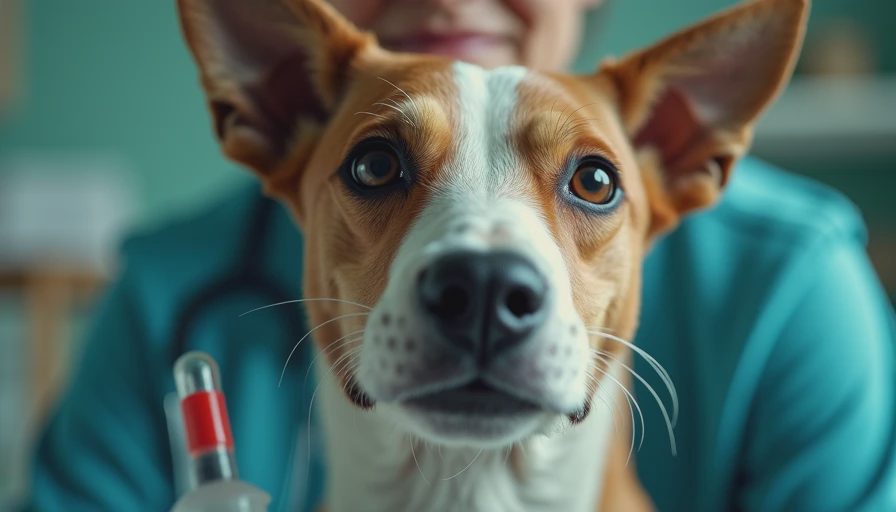
How much do shots for dogs cost?
Prices vary by region, clinic, vaccine type, and whether the visit includes an examination. A single vaccine may cost roughly $20 to $50, while a wellness appointment with several vaccines can commonly total $75 to $200 or more. Puppy visits cost more over the first year because the series requires multiple appointments. Low-cost vaccine clinics can reduce the bill, but confirm that a veterinarian examines pets, vaccines are stored correctly, and you receive a written record.
The least expensive sound plan is not always the fewest injections. Skipping a rabies booster can create legal and exposure problems. On the other hand, automatically buying every optional vaccine without discussing lifestyle is not thoughtful medicine either. Tell your veterinarian where your dog goes, whether it boards, how often it hikes, and whether wildlife or rodents are common around your home. That information lets the team spend your money where it offers the most protection.
Questions to bring to the appointment
Bring any previous vaccine records, adoption paperwork, and a list of medications or supplements. Ask which diseases each product covers, when the next booster is due, and whether a vaccine is recommended because of law, broad community risk, or your dog’s individual habits. Ask whether your dog should avoid daycare, dog parks, or boarding until the series is complete.
If records are missing, do not assume your dog is protected because someone remembers “all the shots.” Sometimes repeating a vaccine is safer and simpler than guessing. In other cases, the veterinarian may discuss a blood test called a titer for selected diseases. Titers are not a universal substitute for every required vaccine, and they do not replace rabies compliance, but they can add information in unusual cases.
The same conversation applies to senior dogs and dogs with immune problems. Age alone does not automatically cancel vaccination, but chronic disease, current medications, previous reactions, and exposure risk can change the balance. A clear medical history helps your veterinarian choose a schedule instead of applying a one-size-fits-all rule.
The practical takeaway
Shots for dogs work best when they are treated as part of a preventive plan, not a yearly shopping list. Core vaccines protect against serious and sometimes fatal infections; lifestyle vaccines fill specific gaps for dogs that board, hike, attend group settings, or encounter wildlife and ticks. Reactions are usually mild, while severe reactions need prompt attention. Keep a written record and schedule the next visit before leaving the clinic.
Bring your dog’s records, describe real-world exposure, and ask your veterinarian to explain the reason behind every recommended vaccine.




No letters yet — be the first to write.