The room smells faintly of disinfectant, your dog is leaning against your knee, and the veterinary technician has just mentioned a 4DX test. The first question I usually hear is practical: what is the 4dx test cost, and do we really need it today? In most clinics, this is a quick blood-screening test for dogs that checks for heartworm disease and several infections carried by ticks. It is useful, but the price and the reason for ordering it deserve a plain-English explanation.
What a 4DX test checks
The standard canine 4DX test looks for heartworm antigen plus antibodies associated with three important tick-borne diseases: Lyme disease, ehrlichiosis, and anaplasmosis. It uses a small blood sample and often produces results during the appointment, sometimes in about 10 minutes.
The test does not diagnose every illness a dog can catch from a tick. It also does not tell us precisely when exposure occurred. A positive antibody result means the immune system has encountered a particular infection or organism; it does not always prove that active disease is causing today’s symptoms. That distinction matters when we discuss treatment.
Heartworm testing answers a different question. The antigen portion looks for evidence of adult female heartworms, which is why annual screening is commonly recommended even when a dog receives preventive medication. Missed doses, vomiting after a dose, an incorrect product, or an interruption between refills can create gaps in protection.
The typical 4dx test cost
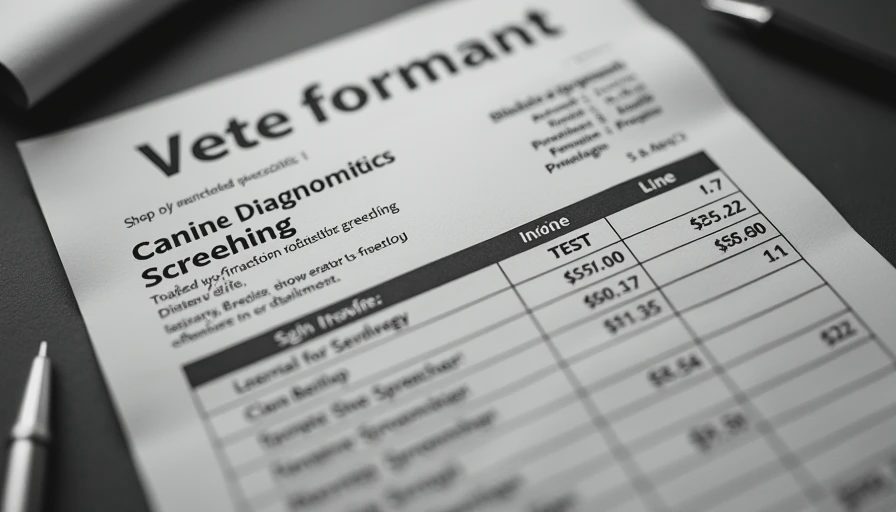
In a general veterinary practice, the 4dx test cost commonly falls between $45 and $100 when it is performed as a stand-alone screening test. Low-cost vaccination clinics or nonprofit programs may charge closer to $30 to $60, while specialty hospitals or clinics in higher-cost cities may charge $90 to $150.
That number may not be the entire invoice. A physical examination fee can add roughly $50 to $100, and some clinics include the test in a preventive-care package rather than listing it separately. If the blood sample is sent to an outside laboratory instead of tested in-house, the price can rise and the result may take longer.
Before approving the test, ask one simple question: “What is the total price today, including the exam and any collection fee?” That avoids the common surprise of hearing one 4dx test cost over the phone and seeing a larger wellness-visit total at checkout. There is no shame in asking for an estimate. It helps your veterinarian choose a sensible plan within your budget.

Why your veterinarian recommends it
For a healthy adult dog, annual 4DX screening is often part of routine preventive care. Heartworm disease can be serious and expensive to treat, while tick exposure is easy to underestimate. A dog does not need to hike through tall woods to encounter ticks; yards, parks, neighborhood grass, and another pet’s coat can all provide opportunities.
Testing is also reasonable when a dog has unexplained fever, tiredness, swollen lymph nodes, shifting leg lameness, bruising, poor appetite, or unusual bleeding. These signs are not specific to tick-borne disease, so a positive result is a starting point rather than the whole diagnosis.
Puppies create a timing question. A very young puppy may be too recently exposed for a test to detect infection, and heartworm antigen testing has a window because adult worms must mature first. Your veterinarian may recommend testing at the appropriate age and then repeating it later. The correct schedule depends on the dog’s age, preventive history, location, and travel.
What happens after a positive result
A positive screening result does not automatically mean a dog needs several expensive medications. First, I review the result alongside the physical examination, medical history, vaccination record, tick exposure, and preventive use. Let the chart do the talking.
For some antibody-positive dogs that feel completely well, monitoring and confirmatory testing may be appropriate. Other dogs need a complete blood count, chemistry panel, urinalysis, or a second test. Those additional tests can add $50 to $200 or more, depending on the laboratory and the number of panels ordered.
Treatment depends on the infection and the dog’s condition. A veterinarian may prescribe an antibiotic for a dog with compatible illness and a relevant positive result, but a positive antibody alone is not a reason to treat every dog automatically. Heartworm disease requires a more structured plan, which can include medication, activity restriction, and additional diagnostics. Avoid strenuous exercise until your veterinarian explains the risk.
Ways to manage the bill without skipping good care
If the 4dx test cost is difficult this month, ask about options rather than silently declining preventive care. Some practices offer wellness plans that spread routine services across monthly payments. Community vaccine clinics may have lower screening prices, although they might not provide the same follow-up or diagnostic depth as your regular veterinarian.
You can also ask whether your dog needs a full 4DX panel or a different test based on symptoms and exposure. A dog with a known recent tick bite and a particular clinical concern may need targeted follow-up, while a dog receiving a routine annual screen may simply need the standard in-house test. The cheapest test is not always the best test, but the most expensive panel is not automatically better.
Bring a list of every preventive product your dog receives, including the brand, dose, and last administration date. For example, Heartgard Plus, Interceptor Plus, Simparica Trio, NexGard, and Bravecto do not all cover the same parasites in the same way. Accurate records help your veterinarian avoid duplicate products and interpret risk correctly.
Questions to ask before saying yes
A useful conversation takes less than two minutes. Ask what diseases the test covers, whether the quoted 4dx test cost includes the exam, and whether the result will be available before you leave. Ask what a positive result would change and whether follow-up testing is likely. Finally, ask what preventive medication fits your dog’s actual risk and your ability to give it consistently.
Those answers turn a mysterious line item into a medical decision. In my clinic, I would rather explain a $65 screening test carefully than have an owner approve it without understanding why it was recommended. I would also rather postpone a nonurgent add-on than create a bill that makes the next visit harder to afford.
The 4dx test cost is usually modest compared with treating advanced heartworm disease or managing complications from an untreated infection, but price alone should not drive the decision. Consider the dog’s age, symptoms, preventive history, travel, and local tick and mosquito exposure. Then choose the test that answers the clinical question in front of you.
Ask your veterinarian for the complete visit estimate and bring your dog’s preventive records; that is the clearest way to make a sound decision about a 4DX test.




No letters yet — be the first to write.