The exam room smells faintly of disinfectant, the scale beeps, and your dog is trying to lean his entire body against your knees. This is where a pet health checkup begins: not with a dramatic diagnosis, but with a conversation, a physical examination, and a baseline for future decisions. For cats, the process is often quieter. A nervous cat may stay inside the carrier until the last possible second, while I examine what I can and explain what can wait.
A routine visit is not a test your pet can pass or fail. It is a chance to find small changes before they become expensive or uncomfortable problems. The right plan depends on age, species, breed, lifestyle, prior medical history, and what I find on the table. Here is what that appointment usually includes and where your money is best spent.
What happens during a pet health checkup
I start by asking questions that seem ordinary but provide useful clinical clues. How is your pet eating? Drinking more? Sleeping differently? Having trouble with stairs, grooming, jumping, or using the litter box? A change in routine can be more informative than a single symptom. Bring a list of medications, supplements, flea and tick products, and any videos of unusual coughing, limping, or episodes at home.
Next comes the hands-on examination. I check the eyes, ears, mouth, skin, coat, lymph nodes, heart, lungs, abdomen, joints, body weight, and body condition. I also look at how the patient stands and walks. In an older Labrador, stiffness getting up may change our conversation about arthritis. In a cat, mild weight loss can be an early clue that deserves tracking even when the cat seems cheerful.
The basic exam is usually the most affordable and most valuable part of a pet health checkup. It tells us whether further testing is sensible rather than turning every appointment into a shopping list of laboratory work.

Which tests are actually useful?
There is no single laboratory package that every dog or cat needs at every visit. A young, healthy indoor cat with a normal exam may need preventive care and a discussion of parasite exposure, not a large panel of tests. A senior dog with weight loss, increased thirst, or a heart murmur has a different starting point.
For healthy adult pets, many clinics offer a complete blood count and chemistry panel as a baseline or periodic screening. These tests can evaluate red blood cells, white blood cells, kidney markers, liver-related enzymes, blood sugar, proteins, and electrolytes. They do not predict every future illness, and an abnormal result does not automatically mean a serious disease. Sometimes the sensible next step is simply repeating a value, checking a urine sample, or comparing it with last year’s chart.
Urinalysis is particularly helpful for older pets, animals drinking or urinating more than usual, and cats with urinary concerns. Fecal testing can identify intestinal parasites, although the best schedule depends on exposure and local risk. Heartworm testing and prevention are important for dogs in areas where mosquitoes transmit heartworm disease; cats require a different prevention discussion because testing and treatment are not interchangeable.
Vaccines, parasites, and preventive care
Vaccines should be chosen from your pet’s actual risk, not from a one-size-fits-all internet schedule. Core vaccines protect against infections that are widespread or especially serious. Lifestyle vaccines can make sense for a dog who boards, attends daycare, hikes, or frequently meets unfamiliar dogs. An indoor cat may still need core protection, while the need for other vaccines depends on household exposure and local veterinary guidance.
Parasite prevention deserves a practical conversation. Fleas can enter a home even when a pet rarely goes outside, and ticks can ride into the yard on wildlife or people. Heartworm prevention for dogs is a monthly or longer-acting decision, depending on the product. Product labels matter: never substitute a dog flea product for a cat product, and do not combine treatments casually.
During a pet health checkup, I also discuss dental care, nutrition, weight, exercise, behavior, and reproductive planning. A toothbrush is useful, but a gradual routine and a pet-safe toothpaste are more realistic than expecting a frightened animal to accept a full brushing on day one.
How often should your pet be examined?
Most healthy adult dogs and cats benefit from an examination at least once a year. That annual visit lets us update vaccines when appropriate, review prevention, and compare weight and physical findings with prior records. Puppies and kittens need more frequent visits during their first year because vaccines, growth, parasite control, and behavior guidance change quickly.
Senior pets often benefit from visits every six months. “Senior” is not an exact birthday; a Great Dane reaches that stage earlier than a small terrier, and cats age differently from individual dogs. More frequent visits do not mean something is wrong. They give us shorter intervals for detecting weight loss, dental disease, arthritis, kidney changes, or cognitive changes.
You should schedule sooner than the routine calendar if appetite, thirst, breathing, mobility, urination, bowel habits, or behavior changes persist. A pet health checkup is preventive, but it is not a substitute for prompt care when a pet is struggling to breathe, repeatedly vomiting, unable to urinate, collapsing, or showing severe pain.
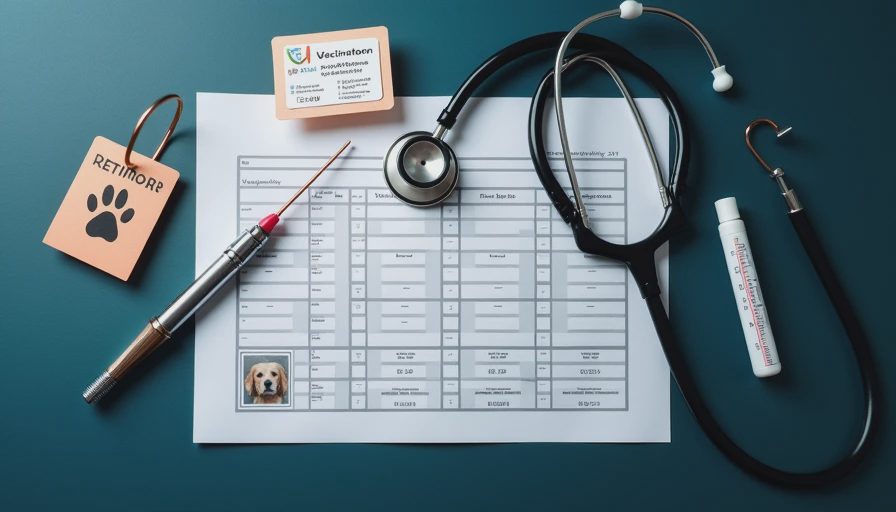
What does a pet health checkup cost?
Prices vary by region and clinic, but a routine exam commonly falls somewhere around $50 to $100 before vaccines, laboratory work, or medication. A vaccine may add roughly $20 to $50, while blood work can range from about $80 to $250 depending on the panel and whether results are processed in-house. A urinalysis, fecal test, or heartworm test often adds a separate charge.
Ask for an estimate before optional testing begins. A good veterinarian should explain the affordable starting point, what information each test provides, and what would change if the result were abnormal. For a senior pet, a basic blood panel and urinalysis may offer more useful information than buying every available screening package. Pet insurance can help with eligible illness and accident costs, but routine wellness coverage is usually a separate feature, so read the policy before assuming preventive visits are included.
How to prepare for the appointment
Write down changes you have noticed, even if they seem minor. Bring medication bottles or clear photos of labels, vaccine records from another clinic, and a fresh stool sample if the hospital requests one. For cats, leave the carrier open in the home before the visit and place familiar bedding inside. A towel over the carrier can reduce visual stress. Dogs generally do better with a short walk beforehand, unless illness or heat makes exercise inappropriate.
Do not withhold food unless the clinic specifically tells you to. Some blood tests require fasting, but fasting is not appropriate for every patient, especially very young, diabetic, or medically fragile animals. If your pet becomes frightened at the hospital, tell the staff before handling begins. Low-stress handling, pre-visit medication, or a quieter appointment time can make the next visit easier.
A pet health checkup works best when you treat it as a conversation, not an interrogation. The goal is not to order the most tests or dismiss every concern; it is to match evidence, budget, and your pet’s real risk. Let the chart do the talking: schedule the appropriate visit, bring useful observations, and make one clear preventive plan before you leave.




No letters yet — be the first to write.